
Pillion riders
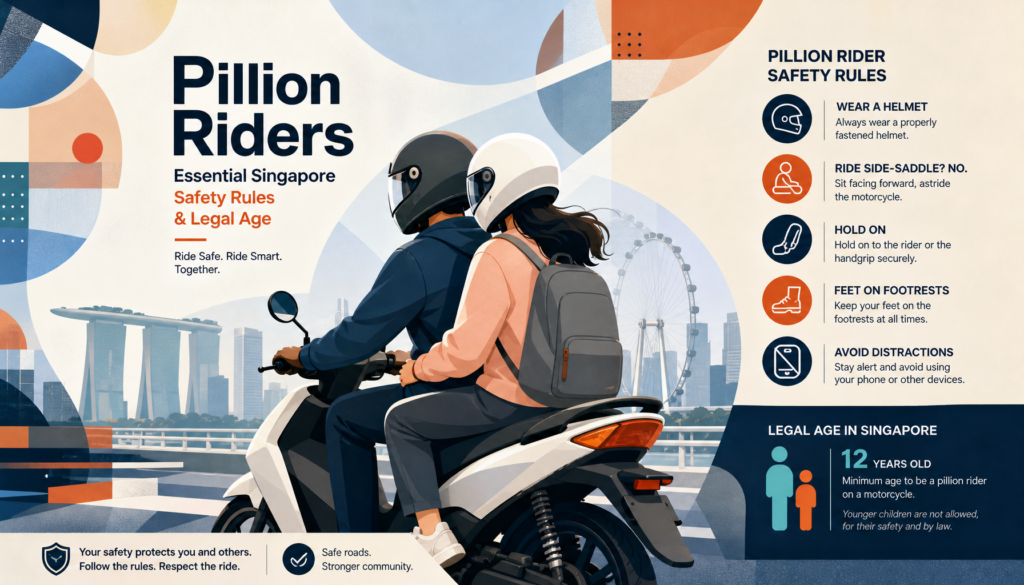
Pillion Riders: Essential Singapore Safety Rules & Legal Age
Jun
Pillion Riders: Caught in rush hour traffic on a motorbike, it’s easy to overlook the importance of pillion riders’ safety. Did you know that Singapore has firm laws outlining when someone can ride as a passenger? The exact legal age for pillion riders is often misunderstood, but knowing it could save you from fines or worse.
Pillion Riders:This article covers the essential Singapore safety rules every motorcyclist and passenger should know, including the updated legal age expected by 2026. We’ll break down who qualifies as a pillion, what safety gear you must use, and highlight practical tips for safer journeys. Whether you’re a regular rider or thinking of bringing a friend along soon, these rules matter. Let’s get into the details that will keep you safe and on the right side of Singapore’s traffic laws.
Pillion Riders in Singapore: Your Guide to Legal Age and Safety Compliance
Pillion Riders: Understanding the legal requirements for pillion riders in Singapore is essential for ensuring both safety and compliance, especially with the most recent 2026 updates. Many motorcycle owners and passengers might not be fully aware that the law requires a pillion rider to be at least 12 years old, underscoring the focus on physical capability and road awareness for all passengers. Ignoring these age rules can result in substantial penalties for the rider, so confirming your passenger’s eligibility isn’t just good practice—it’s a legal must.
Another cornerstone of pillion rider safety revolves around gear. While it’s mandatory for both the rider and their passenger to don an LTA-approved helmet at all times, Singapore’s regulations stop short of making extra gear like gloves or jackets compulsory. However, with unpredictable traffic and weather in Singapore, taking the extra step towards full safety gear—even when not required by law—can provide peace of mind and extra protection on the roads.
Pillion Riders: Seating may seem like a minor detail, but it’s strictly regulated: pillion riders must be seated astride with both feet firmly on purpose-built footrests. The law penalises both riders and owners if a passenger does not have access to proper foot pegs, emphasising that every ride must meet this basic safety standard. These regulations not only help maintain balance but also reduce the risk of injury in case of sudden stops or accidents on Singapore’s city roads or PCN paths.
Legal compliance extends beyond safety equipment. The rider is responsible under Traffic Police Singapore guidelines to ensure their pillion is safely secured, appropriately behaving, and equipped with the necessary safety gear. Failing these obligations can impact insurance protection—motorcycle policies are required to cover pillion riders, but claims can be denied if there’s non-compliance with helmet or seating regulations. Staying updated on the latest laws for pillion riders in 2026 is the easiest way to ensure every journey is both legal and secure in Singapore.
Quick Specs: Essential Pillion Rider Regulations at a Glance
| Regulation | Details | Reference |
|---|---|---|
| Minimum Age | Pillion riders must be at least 12 years old to legally ride on a motorcycle in Singapore. | SingStat Road Traffic Rules; LTA Guidelines |
| Helmet Rules | Approved helmets are compulsory for both rider and pillion, meeting LTA safety standards. | Land Transport Authority (LTA) |
| Seating & Footrest Requirement | Pillion must sit astride with both feet on passenger foot pegs; bikes must be equipped with footrests. | Traffic Police, Singapore |
| Rider’s Responsibility | Rider must ensure the pillion follows all safety rules, is properly seated, helmeted, and behaves safely. | Traffic Police, Singapore |
| Insurance Obligations | Motorcycle insurance must cover pillion riders. Non-compliance may affect accident claims and liability. | Singapore Insurance Regulations |
Pillion Riders: Staying informed of these pillion rider regulations helps every Singapore motorcyclist ride legally and protects both safety and insurance eligibility. For families and regular pillion riders, ensuring compliance will mean peace of mind and smoother journeys on Singapore roads.
Minimum Age & Legal Eligibility: Who Can Ride Pillion in Singapore?
Pillion Riders: In Singapore, the minimum legal age for pillion riders is 12 years old. This regulation, enforced by the Land Transport Authority (LTA) and Traffic Police, is in place to ensure that anyone riding as a passenger on a motorcycle has reached a level of physical maturity necessary for their own safety. At 12, most children have the size and strength to safely hold on to the rider and sit securely with both feet firmly on the designated footrests—one of the crucial requirements under local law.
This age limit isn’t arbitrary. It reflects key safety concerns: pillion riders must be able to comply with the proper seating rules, such as sitting astride (never sideways) and using passenger pegs at all times. The rule also recognises that by this age, most passengers have enough awareness and cognitive maturity to understand road conditions and follow safety instructions—essential for overall motorbike safety in Singapore’s busy traffic.
Pillion Riders: Eligibility proof is generally based on the pillion’s appearance, along with official documents like an NRIC or student pass as needed. Riders are responsible for ensuring their pillion meets the age requirement—failure to comply can mean penalties, impact on insurance claims, and even personal liability in an accident. Authorities may request identification during road checks, so it’s wise to carry age-related documents if your pillion looks borderline.
These regulations, including the 12-year age minimum, are strictly enforced not just for legal compliance, but to reinforce a culture of road safety for all—including young family members. By adhering to these pillion rider rules, you ensure safer journeys and peace of mind, both for short commutes around the HDB zones and longer rides on Singapore’s expressways. Considering the safety and insurance implications, always double-check your pillion’s eligibility before heading out.
Helmet and Safety Gear: What’s Mandatory and What’s Best Practice?
Pillion Riders: For pillion riders in Singapore, helmet compliance is not just about safety—it’s the law. Both the rider and pillion must wear a helmet that meets the Land Transport Authority (LTA) approved standards. Helmets should bear the LTA approval mark, indicating they satisfy local safety criteria. Not wearing an approved helmet can result in hefty fines, potential prosecution, and—more importantly—greater risk of injury. The Traffic Police regularly conduct checks to ensure compliance, and failure to adhere can also affect insurance claims should an accident occur.
While helmets are the only legally mandated piece of gear, riders who value safety know that gloves, jackets, and proper enclosed footwear are highly recommended—even though they aren’t compulsory by law. Singapore’s roads can be unpredictable, and protective clothing offers an extra layer of defense against abrasions or impact, especially for pillion riders who may be less experienced. Wearing gloves and jackets, though optional, demonstrates a best-practice approach that not only keeps you safer but shows responsibility in the event of a mishap.
Pillion Riders: Choosing and wearing the correct helmet is particularly crucial since insurance liability in Singapore hinges on compliance. If a pillion rider is found not wearing a helmet, insurance companies may withhold certain benefits or payouts. For households storing their gear in HDB flats, it’s also important to ensure helmets and jackets are safely stored in a clean, dry area, as per typical Singaporean home storage guidelines.
Ultimately, making helmet use a habit—and adopting additional protective gear as your own standard—does more than keep you on the right side of LTA regulations. It reinforces your commitment to safety, helps preserve rider-pillion trust, and builds long-term confidence on Singapore’s busy streets. For those buying or upgrading gear, always check for LTA approval and prioritise comfort as well as fit, ensuring safe, confident journeys for every pillion ride.
Seating, Footrest, and Bike Requirements: How to Stay Legal and Safe
Pillion Riders: For pillion riders in Singapore, staying safe and legal begins with understanding how to sit and what your motorcycle must have. The law is very specific—pillion riders must sit astride the seat, facing forward, with both feet securely on the passenger foot pegs provided by the motorcycle. Sitting sideways may seem convenient, but it’s not just risky—it’s also illegal under local regulations. If your passenger can’t reach the footrests or isn’t sitting correctly, it’s best not to ride until those requirements are met.
Importantly, foot pegs or footrests are not optional for pillion transport. Every motorcycle carrying a passenger in Singapore must be equipped with proper passenger foot pegs. If a motorcycle is found without them while carrying a pillion, it is considered an offence under Singapore law. This is not a minor technicality: without these footrests, your balance and the pillion’s stability are compromised, dramatically increasing accident risk.
Pillion Riders: Failure to comply can result in fines or penalties imposed by the Traffic Police. In addition, neglecting these requirements could affect insurance claims if an accident occurs. Insurers in Singapore often check whether all LTA-mandated safety requirements were in place; non-compliance can lead to rejection or reduction of claims, impacting both rider and pillion financially.
For anyone considering riding with a passenger, always inspect your motorcycle for intact foot pegs and remind your pillion rider to keep both feet on them at all times. This not only fulfils legal obligations but gives you peace of mind, knowing you’re doing your part to keep every journey safe and within the strict standards set by Singapore’s authorities. Making small adjustments like this contributes to safer travel throughout the city and helps avoid unnecessary troubles on the road.
Pillion Riding vs. Solo Riding: Key Differences for Singapore Motorcyclists
Pillion Riders: For Singapore motorcyclists, deciding between riding solo and carrying a pillion rider involves key legal and practical differences. While solo riding mainly means focusing on your own safety and compliance with traffic rules, taking on pillion riders brings new layers of responsibility that shouldn’t be underestimated.
First, not everyone can be a pillion. Under Singapore law, your passenger must generally be at least 12 years old and physically capable of holding on while the bike is moving. This age restriction is non-negotiable and is regularly checked by enforcement officers, particularly at checkpoints or during traffic stops. Riders need to confirm their pillion’s age before every trip to avoid hefty penalties.
Next, safety equipment rules shift from just yourself to both you and your passenger. You must ensure both are wearing LTA-approved helmets. The law is strict here: if even one helmet doesn’t meet LTA standards, both rider and pillion can be held liable. While jackets and gloves remain optional, experienced local motorcyclists often encourage extra protection, especially for younger or less experienced pillion riders.
Pillion Riders: Seating is another distinction. With a pillion, your motorcycle must be fitted with proper passenger foot pegs, and the pillion must sit astride the seat—not sideways—and keep both feet firmly on the pegs at all times. Failing to meet these requirements not only attracts fines but could also void your insurance in the event of an accident.
Speaking of insurance, policies in Singapore are required to cover pillion passengers as standard. However, insurance claims might be denied if it’s shown that helmet or footrest rules were breached. As the rider, you carry full responsibility for the pillion’s safety and conduct, so due diligence is vital not just for your own peace of mind, but also for legal and financial protection.
Ultimately, while carrying a pillion adds enjoyment and convenience, it also raises your obligations to another person under the watchful eye of local authorities. Always check your bike, gear, and passenger eligibility before hitting the road with company, especially along Singapore’s busy roads and PCN networks.
Addressing Singapore Concerns: Insurance, Liability, and Enforcement Risks
Pillion Riders: For pillion riders and motorcycle owners in Singapore, understanding how insurance and liability work is crucial. All motorcycles must have insurance that extends to pillion passengers, as mandated by local regulations. This coverage is in place to protect passengers in case of an accident, offering peace of mind for both rider and pillion. However, insurance validity can hinge on strict compliance with the law—so following every rule isn’t just about safety, but also about ensuring coverage when it matters most.
When it comes to insurance claims, insurers will closely assess whether legal requirements were followed at the time of the incident. This includes checking if the pillion rider was at least 12 years old, wore an approved helmet, was properly seated astride the bike, and had both feet on designated footrests. Any deviation from these could risk denial of a claim or legal complications for the rider. For example, if a pillion is found not using an approved helmet or sitting incorrectly, claims for injury compensation may be rejected by insurers, placing both parties at financial risk.
Pillion Riders: Disputes often arise from unclear liability or non-compliance. Motorcyclists face a significant enforcement risk: penalties can include fines or demerit points if their passenger does not meet age requirements or is not properly equipped. Worse, failing to comply with these rules might leave the rider personally liable for the pillion’s injuries—putting savings and future earnings in jeopardy.
Singapore’s legal framework is designed to make sure riders take every possible safety measure, which is why enforcement is strict on these points. For those navigating our busy city streets or PCN paths, following rules for pillion riders is more than a legal box-tick: it’s a layer of vital protection for all involved, supporting a successful insurance claim if the unexpected occurs. If you’re considering carrying a passenger, paying attention to these details means greater confidence on the road—and fewer worries about legal or financial setbacks.
Frequently Asked Questions
Is there any legal exception to the minimum age rule?
Under current Singapore law, there are no exceptions to the minimum age rule for pillion riders. Anyone riding as a pillion on a motorcycle must be at least 12 years old, regardless of circumstances. This law ensures the safety and readiness of all pillion riders.
Are children allowed to ride as pillion on private roads?
The minimum age requirement for pillion riders applies to all public roads in Singapore. However, private property is generally outside the direct purview of LTA regulations, though it remains unsafe and discouraged for children under 12 to be pillion passengers, even on private roads, due to the same safety risks.
What if my bike has no footrests?
It is illegal to carry a pillion if your motorcycle is not fitted with proper passenger foot pegs or footrests. This is enforced by the Traffic Police Singapore. Always ensure your bike is fully compliant before carrying a second rider to avoid penalties and uphold safety.
What type of helmet must a pillion wear?
Both the rider and pillion must wear an LTA-approved helmet that complies with local safety standards. Helmets are compulsory and must be securely fastened at all times during the ride for legal compliance and protection.
How does insurance work if a pillion is not wearing proper gear during an accident?
Motorcycle insurance in Singapore is required to cover pillion riders. However, if a pillion was not wearing an approved helmet or was improperly seated during an accident, it may affect liability and insurance claims. Observing all pillion rider regulations is essential for full protection under your policy.
Should You Carry a Pillion Rider in Singapore? Our Verdict for 2026 Compliance
Pillion Riders: Carrying pillion riders in Singapore is a privilege that comes with serious responsibility. For 2026 compliance, it’s crucial to remember that the law sets the minimum age for pillion passengers at 12 years old, protecting both their safety and that of the community. Always confirm your pillion’s age before offering a ride—this simple step helps you stay on the right side of LTA and Traffic Police regulations.
Safety equipment is non-negotiable. Both rider and pillion must wear a properly approved helmet in accordance with the Land Transport Authority. While additional gear isn’t legally mandated, wearing gloves and jackets significantly boosts safety and minimises injury risk should anything unexpected happen on Singapore’s roads.
Pillion Riders: Equally important are correct seating and fitted passenger footrests. The pillion must sit facing forward with both feet firmly planted on dedicated foot pegs. If your motorcycle doesn’t come with these foot pegs, giving a pillion ride is not permitted, so a quick check before each journey is best practice. This detail not only matters for comfort but is also a legal requirement under Singapore rules.
The rider’s responsibilities go beyond just driving safely—the law obliges you to ensure your passenger is secure and not interfering with your control of the motorcycle. Any violation, whether a missing helmet or improper pillion behaviour, can carry heavy penalties and might affect insurance claims in the event of an accident.
Speaking of insurance, confirm that your policy covers your pillion passenger. In Singapore, insurance is a critical layer of protection for both liability and personal safety. Non-compliance—such as a passenger without a helmet or under the permitted age—could invalidate claims.
Our verdict: only carry a pillion rider when you’re fully confident you meet all regulations. Prioritise helmet use, check for proper footrests, and verify insurance coverage. Taking these precautions protects you, your passenger, and ensures a smooth, legal ride on Singapore’s busy roads.
We at Speedzone specialize in offering top-quality servicing for a variety of premium motorcycle brands. Whether you ride a Yamaha, Honda, KTM, Suzuki, Kawasaki, SYM, Aprilia, Piaggio, or Mutt Motorcycle, you can trust us to keep your ride running smoothly.
Book Your Service Today
Ready to give your motorcycle the care it deserves? Or just curious to know more? With our premium motorcycle accessories available catering to every motorbike models. Book your motorcycle servicing with us or drop by our showroom today and experience the difference of expert servicing tailored to your brand and friendly staffs!
