
ERP Chargers
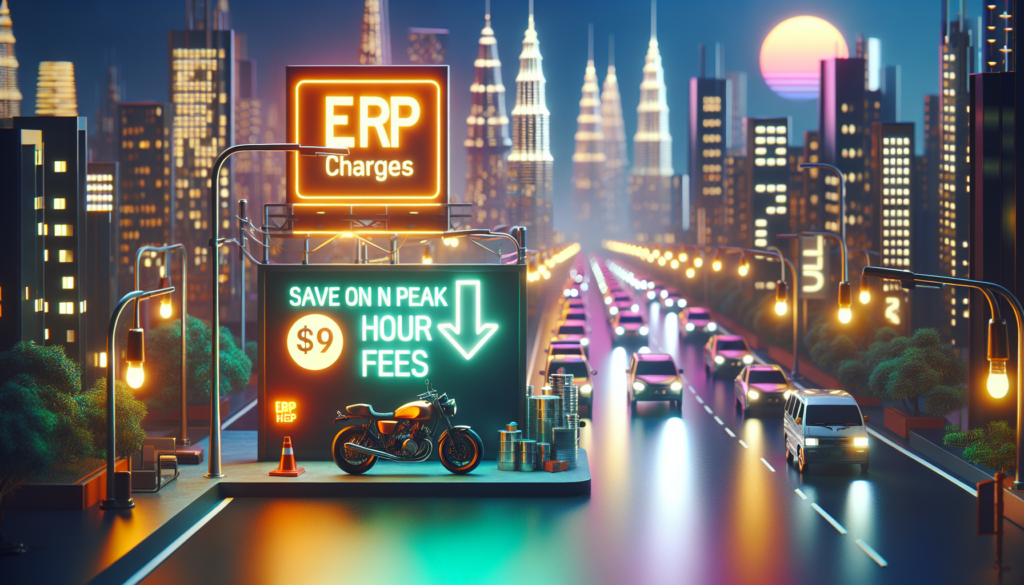
ERP Charges for Motorcycles: Save on Peak Hour Fees Singapore
Apr
ERP Charges for Motorcycles: Sick of watching your EZ-Link balance vanish every time you ride into the city? Many Singapore motorcyclists feel the same pinch from ERP charges for motorcycles, especially during peak hours. Rising traffic and new ERP policies mean that even two-wheelers can’t escape road tolls.
ERP Charges for Motorcycles: This guide breaks down how ERP fees impact motorcycle commuters, highlights key changes expected by 2026, and shares practical ways you can cut costs during the busiest travel periods. We’ll look at which gantries matter most, time slots that drain your wallet, and smart strategies to outsmart the peak hour rush. If you want to keep more of your money for essentials, not tolls, you’re in the right spot. Get ready to make your next city ride cheaper and smoother with these tips.
Beat the Jam: Understanding ERP Charges for Motorcycles in Singapore (2026 Update)
ERP Charges for Motorcycles: The Electronic Road Pricing (ERP) system is Singapore’s high-tech solution to managing road congestion, especially during rush hours. Introduced to keep the city’s traffic flowing smoothly, ERP uses gantries set up at key expressways and city centre routes. As a motorcycle rider passes beneath an ERP gantry, the system instantly deducts the applicable charge from a linked payment method — no stopping, no hassle. This cashless deduction is possible thanks to in-vehicle units (IUs) that interact with the gantries, ensuring quick transactions and keeping traffic moving seamlessly.
ERP charges are set according to the class of vehicle, with motorcycles enjoying lower rates compared to cars, taxis, or trucks. For example, motorcycles typically pay a fraction of what a car would for the same ERP gantry during peak periods. The rates further vary depending on whether you ride a small-capacity or large-capacity motorcycle, and may also change depending on which gantry you pass and the exact time of day. Popular gantries on major arterial roads or expressways charge most during morning and evening rush hours, so planning your trip around these timings can result in substantial savings.
ERP Charges for Motorcycles: ERP operates mainly during weekday peak periods, with costs highest during the morning (7:30 am – 9:30 am) and evening (5:00 pm – 7:00 pm) when congestion is most severe. Travelling outside these peak hours gives you a break on ERP charges for motorcycles, sometimes incurring no fee at all. To make informed choices, riders can consult official ERP rate charts and utilise mobile apps that track real-time gantry fees, helping you plan routes and optimise timings for your daily commute or weekend rides.
All ERP payments are made electronically via your IU, which is linked to stored-value accounts like EZ-Link cards or NETS. It’s crucial for riders to maintain sufficient balance, as penalties apply for non-payment or if your account lacks funds when passing through a gantry. By planning your routes, adjusting travel times, and using digital tools to stay updated, you can actively minimise your ERP costs without breaking any LTA regulations — making every ride not just smoother, but also more wallet-friendly.
ERP Basics: How the System Works for Singapore Riders
ERP Charges for Motorcycles: The Electronic Road Pricing (ERP) system was introduced in Singapore as a smart solution to manage vehicle congestion in the city, especially during busy peak hours. Designed with efficiency and fairness in mind, ERP uses a network of overhead gantries to automatically charge vehicles, including motorcycles, as they pass under sensors. The key idea is to encourage motorists to shift to less busy travel periods or alternative routes, directly influencing real-time road usage and easing traffic flow.
When you ride through an ERP gantry, your vehicle is identified and categorised—motorcycle, car, or truck—using dedicated in-vehicle units (IUs). Each class attracts different charges: ERP charges for motorcycles are generally lower than those for cars and trucks, reflecting their smaller size and reduced impact on congestion. The exact fee deducted depends on the location, time of day, and whether your motorbike falls into a small-capacity or large-capacity category, as determined by LTA’s vehicle classification.
ERP Charges for Motorcycles: ERP gantries operate mainly during peak hours—typically morning and evening periods when roads are most crowded. By timing your journeys to avoid these slots, you can enjoy significant savings as most ERP charges are waived during off-peak hours. Many riders rely on updated ERP rate charts or apps for real-time fee information, making trip planning around ERP charges for motorcycles much easier and helping you decide when and where to travel for the lowest cost.
Payment is fully cashless: your IU is linked to a stored-value account—usually your EZ-Link card or NETS—from which ERP fees are automatically deducted. It’s crucial to ensure your IU has sufficient value before travel, since insufficient balance or failed payment can lead to administrative penalties by LTA. Staying topped up not only keeps your journeys smooth but also ensures compliance with Singapore’s traffic laws.
Smart budget-conscious riders often plan their routes to avoid crossing multiple ERP gantries and adjust their travel times for off-peak slots. Using navigation apps that track ERP rates can optimise your commute, letting you take full control of your ride and enjoy the freedom of lower costs on Singapore’s roads.
Quick Specs: ERP Motorcycle Rates at a Glance
| Vehicle Type | ERP Rate (Peak Hour) | ERP Rate (Off-Peak Hour) | Example Gantry |
|---|---|---|---|
| Small-Capacity Motorcycle | $0.50 | $0.20 | CTE (PIE slip road) |
| Large-Capacity Motorcycle | $0.80 | $0.30 | AYE (towards City) |
| Car | $1.50 | $0.50 | ECP (Fort Road) |
| Truck | $2.00 | $1.00 | PIE (Lornie Rd slip) |
ERP Charges for Motorcycles: ERP Charges for Motorcycles are tailored to be significantly lower than those for cars and trucks, making two-wheelers a cost-effective choice for daily commuting across Singapore. Whether you own a small-capacity motorcycle or a large-capacity model, understanding the difference in rates during peak and off-peak hours is essential. For example, at a typical gantry like CTE (PIE slip road), small motorcycles pay just $0.50 during peak compared to $1.50 for a car.
Planning your route and schedule can offer substantial savings. If you’re able to adjust your ride to off-peak hours, ERP fees can drop by more than half. This makes motorcycles an even more attractive option for riders looking to reduce costs, especially on routes with multiple gantries in the CBD or along heavy traffic expressways.
LTA’s ERP system ensures fast, cashless payments through the in-vehicle unit, so be sure your stored-value card is topped up to avoid penalties. Whether you commute daily or ride occasionally, keeping aware of ERP charges for motorcycles—and how they stack up to other vehicles—empowers you to make smarter, wallet-friendly travel decisions.
Planning Your Ride: When ERP Charges Apply and How to Save
ERP Charges for Motorcycles: Understanding ERP charges for motorcycles is key for Singapore riders who want to save money on their daily commute. ERP gantries generally operate during the busiest periods—primarily the morning (typically from 7:00 am to 10:00 am) and the evening (5:00 pm to 8:00 pm) peak hours. Charges are specifically higher during these times to reduce congestion on heavily used roads such as the CTE, ECP, or PIE expressways. For motorcycles, while the fees are lower compared to cars or trucks, they can still add up if you’re frequently riding during those hours.
Off-peak travel offers a clear advantage. If you manage to ride before gantries become active or after they have stopped charging, you can significantly reduce or entirely avoid ERP fees. This is especially helpful for those with flexible work arrangements or who are running errands with no fixed schedule. With a bit of route adjustment, shifting your commute by as little as 30 minutes can lead to substantial cost savings over the course of a month.
ERP Charges for Motorcycles: To stay updated, it’s crucial to consult official ERP rate charts published by the Land Transport Authority (LTA). These charts clearly display the exact timing and fees for each gantry. Additionally, Singapore riders increasingly rely on government-approved mobile apps—such as MyTransport.SG—to check real-time ERP rates and find the cheapest travel windows. Using these digital tools empowers you to plan the most cost-effective routes around town, especially when running multiple errands or making deliveries.
Smart ride planning isn’t just about saving on ERP charges for motorcycles. It also means complying with LTA regulations and avoiding unnecessary exposure to fines or penalties. By knowing peak timings and leveraging official resources, you’ll maximise your savings while enjoying a smoother, stress-free ride—making that next trip into the CBD or across island a lot more practical.
How to Pay ERP for Motorcycles: Payment Methods and Penalties
ERP Charges for Motorcycles: Paying ERP charges for motorcycles in Singapore has become more seamless with today’s cashless systems. Every motorcycle is fitted with an In-Vehicle Unit (IU), which is essential for passing through ERP gantries. Before your ride, you simply insert a valid stored-value card, such as EZ-Link or NETS CashCard, into the IU. As you pass under a gantry, the correct ERP fee is deducted automatically from your linked card, so you don’t have to stop or fumble with cash. This process enables faster movement along busy roads, especially during Singapore’s peak travel hours.
If you prefer added convenience, you can also link your IU to an existing debit or credit card account via NETS. This ensures that your card is always topped up with sufficient balance for ERP charges. Many riders choose to monitor their card balance using mobile apps, helping them avoid being caught off-guard by low funds.
ERP Charges for Motorcycles: It’s crucial to make sure you have enough stored value in your card before entering the ERP zone. If there is insufficient balance when you pass under a gantry, a notification will be displayed on your IU and you will be issued an ERP violation notice. Payment must then be settled at an AXS machine, via self-service kiosks, or through government e-services within the stipulated grace period. Failure to pay additional ERP charges for motorcycles on time will lead to further penalties, including a late payment fee or, in some cases, legal action. The LTA takes non-payment seriously, as the system helps manage road congestion effectively.
To avoid penalties and keep your travel smooth, always check your IU’s stored-value card balance before hitting the road. With Singapore’s cashless payment landscape, handling ERP charges for motorcycles is easy, secure, and keeps you compliant with LTA regulations—so you can focus on enjoying your ride instead of worrying about unexpected fees.
Smart Strategies: Minimising Your Motorcycle ERP Costs Legally
ERP Charges for Motorcycles: Lowering your ERP charges for motorcycles while navigating Singapore’s busy roads is possible when you apply a few practical strategies—always in alignment with LTA regulations. One of the most effective methods is to plan your routes carefully. By selecting roads that bypass multiple ERP gantries, especially in high-traffic city zones, you can substantially reduce the number of chargeable ERP points you cross. Study the common locations of high-activity gantries, such as those along major expressways and CBD entrances, and check if alternative routes—using the Park Connector Network (PCN) or less congested secondary roads—are available for your journey.
Another key strategy involves timing your rides for off-peak periods. ERP charges for motorcycles typically spike during morning and evening peak hours. By adjusting your schedules—perhaps leaving for work slightly earlier, or planning leisure rides during midday or late evening—you can benefit from lower or even zero ERP fees. This approach is especially helpful if you frequently travel across town or to work, as multiple peak-hour charges can add up quickly.
ERP Charges for Motorcycles: To stay ahead, make use of technology like real-time ERP rate tracking apps or official online ERP rate charts. These tools display current and upcoming ERP charges at each gantry, helping you time your trips or select cost-saving routes in advance. By knowing which gantries are active and when, you avoid unexpected deductions from your in-vehicle unit (IU) or linked payment card. Over time, these savings contribute to more affordable motorcycling in Singapore, making every cent count—especially for regular commuters who pass through ERP zones daily.
Implementing these strategies—smart route selection, off-peak travel, and using real-time apps—not only ensures minimal ERP charges for motorcycles but also guarantees that you remain compliant with the latest LTA guidelines. Savvy planning allows you to enjoy the freedom of urban riding while keeping operational costs manageable.
Singapore Rider’s Concerns: LTA Compliance and Motorcycle-Specific Rules
Many Singapore riders want clarity about LTA compliance and the unique rules affecting their motorcycles when it comes to ERP Charges for Motorcycles. First and foremost, every motorcycle must be fitted with a properly functioning In-Vehicle Unit (IU), as mandated by the Land Transport Authority (LTA). This IU is necessary for accurate ERP fee deductions—without it, you’re not only risking missed payments but also possible fines or enforcement actions during surprise inspections at ERP gantries. It’s advisable to routinely check your IU and make sure your stored-value card—such as EZ-Link or NETS—has sufficient balance before you hit the road.
Riders are also curious about how motorcycle class affects ERP payment. While all motorcycles are recognised as a distinct vehicle category in the ERP system (separate from cars and lorries), charges apply regardless of engine size. This means small-capacity and large-capacity motorcycles both pay the same rate at ERP gantries. It’s a straightforward rule, ensuring every motorcycle—whether used for work commutes or leisure rides along the PCN—contributes fairly to congestion management.
Riders on Singapore’s busy roads should note that ERP gantries automatically deduct charges as you pass through during operating hours. Failure to pay, either due to missing IU or insufficient stored-value, can result in penalty notices from LTA. Stay compliant by always keeping your IU visible and operational, especially as errant riders can be traced through enforcement cameras.
Finally, local riders sometimes ask if any unique waivers exist for motorcycles. Based on LTA rules, there are no special exemptions for motorcycle ERP payments. All motorcycle owners are equally responsible for compliance and payment. By understanding and adhering to these simple rules, you’ll avoid unnecessary fines, keep your ride legal, and save money by using LTA-approved planning tools to time your journeys and minimise ERP charges.
Frequently Asked Questions
How do I pay ERP charges for motorcycles, and what if my payment fails?
You pay ERP charges for motorcycles through an In-Vehicle Unit (IU) installed on your bike, which deducts fees automatically from your linked NETS CashCard, EZ-Link, or NETS FlashPay card. If there’s insufficient balance in your card at the time of passing a gantry, you may face a penalty notice from LTA, so it’s wise to check and top up before your ride — especially for daily commuters in Singapore.
Are any motorcycles exempted from ERP charges?
Most motorcycles using Singapore roads are not exempted from the ERP system. Only emergency vehicles or certain authorised government vehicles may have exemptions. For regular riders, whether you own a small or large-capacity motorcycle, standard ERP fees will apply at all operating gantries.
How much does IU installation cost for motorcycles in Singapore?
IU (In-Vehicle Unit) installation is mandatory for ERP payment, and the cost can vary based on provider and promotions, but it’s typically in the range set by LTA-approved centres. Many new motorcycles come pre-installed with an IU, but for older bikes or replacements, check with authorised IU service centres for the latest rates and installation procedures.
What should I do if I encounter an error at an ERP gantry?
If your IU beeps unusually or displays an error as you pass under a gantry, check your stored-value card immediately for balance or compatibility issues. In case of unresolved deductions, keep your transaction record and reach out to LTA or your payment provider to avoid unexpected fines — resolving such errors promptly helps maintain a smooth daily ride.
Do ERP charges for motorcycles change during public holidays?
Yes, ERP rates can be suspended or reduced during Singapore public holidays and selected weekends, as announced by LTA. It’s best for riders to monitor official ERP rate charts or LTA’s digital platforms for up-to-date rate adjustments, helping you save on travel especially if you plan leisure rides during these periods.
Should You Change Your Riding Habits? Our Verdict on ERP Charges for Motorcycles
ERP Charges for Motorcycles: Based on the insights into ERP Charges for Motorcycles, it’s clear that Singapore riders can benefit significantly by adjusting their daily commute habits. The ERP system is designed to manage traffic by charging variable fees at different gantries and times, especially targeting peak congestion periods. As a motorcycle rider, shifting your ride outside the usual morning and evening peak slots can result in noticeable savings—motorcycle rates are generally lower than cars, but multiple gantries during high-demand hours still add up.
The flexibility of two-wheelers works in your favour. Consider mapping out alternate routes that bypass heavily charged gantries or altering your departure slightly earlier or later to take advantage of off-peak rates. Tools such as the latest ERP rate charts and mobile applications can help you stay updated on real-time charges per gantry, ensuring you’re never caught off guard by surges or temporary changes in fees.
Also, don’t overlook the importance of regular checks on your in-vehicle unit (IU) balance. Linking your ERP payments to reliable stored-value methods like EZ-Link cards or NETS is critical for seamless commutes—running low may lead to penalties, undermining your cost-saving efforts. Being proactive with your ERP planning is about more than just saving money; it’s also about legal compliance and stress-free riding under Singapore’s strict LTA regulations.
Our verdict? Riders should absolutely integrate regular ERP fee planning into their daily routines. By tweaking travel times, staying updated with the LTA’s latest ERP rates, and using available tech tools, you enjoy smoother rides, avoid unwanted fines, and make every dollar count. Make ERP management part of your riding habit—not only for savings, but for an all-around smarter and more efficient commute in Singapore’s urban landscape.
We at Speedzone specialize in offering top-quality servicing for a variety of premium motorcycle brands. Whether you ride a Yamaha, Honda, KTM, Suzuki, Kawasaki, SYM, Aprilia, Piaggio, or Mutt Motorcycle, you can trust us to keep your ride running smoothly.
Book Your Service Today
Ready to give your motorcycle the care it deserves? Or just curious to know more? With our premium motorcycle accessories available catering to every motorbike models. Book your motorcycle servicing with us or drop by our showroom today and experience the difference of expert servicing tailored to your brand and friendly staffs!
