
Electric vs Petrol motorcycle, Electric bikes, Electric Motorcycles, Electric Scooters vs Motorcycle Scooters, Petrol motorcycle
Electric vs Petrol Motorcycles: Cost & Value Analysis
Apr
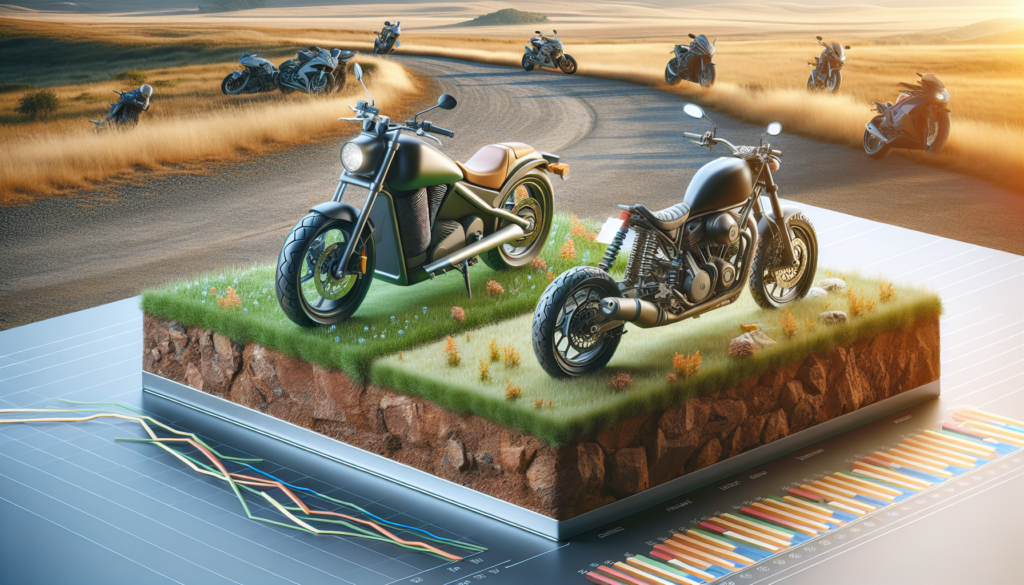
Electric vs Petrol Motorcycles: Stuck in a long queue at the petrol kiosk again? With fuel prices rising and more electric vehicles on Singapore’s roads, it’s no wonder many riders are now weighing their options. The decision between electric vs petrol motorcycles isn’t just about going green—it hits your wallet and daily life too.
This blog dives into the true costs, from purchase price to maintenance, and how each type holds its value in 2026. You’ll find straightforward insights on government incentives, real savings, and what’s most practical on our busy streets. Thinking about making the switch or sticking to petrol? We break down the numbers and facts relevant for Singapore riders like you. Let’s see which ride offers the best value in the years ahead.
Electric vs Petrol Motorcycles in Singapore: 2026 Cost & Value Showdown
Electric vs Petrol Motorcycles: The conversation around Electric vs Petrol Motorcycles in Singapore is heating up, especially as city riders and weekend commuters look for the best value in 2026. Both electric and petrol-powered bikes have been gaining traction on local roads, thanks to evolving technology, new LTA regulations, and a growing focus on efficiency and sustainability. As more Singaporeans consider two-wheelers not just for fun but as a serious daily transport option, it’s crucial to break down the real cost and value each type offers.
When deciding between electric and petrol motorcycles, Singaporean riders face critical questions: Which has the lower overall cost of ownership? How do performance and daily usability stack up, especially given Singapore’s stop-and-go traffic and dense HDB environments? Riders must consider more than just the initial price — factors like ongoing maintenance, refueling expenses, and even where and how to charge or store the bike matter immensely.
Electric vs Petrol Motorcycles: This cost-and-value analysis looks at five core areas relevant to Singapore riders. First, there’s the total cost of ownership, factoring in purchase price, long-term savings, and daily operating expenses from fuel to electricity. Next, performance and the joy of riding are weighed, considering things like acceleration, handling, and ride feel both in city conditions and longer jaunts. Thirdly, range and the available charging or petrol infrastructure are vital — will an electric motorcycle’s 50–150 km range and current charging network be enough, or does the petrol option’s longer range offer more peace of mind?
For many, the environmental impact is a strong motivator, with zero tailpipe emissions from electric bikes helping Singapore meet sustainability goals. Lastly, practicality comes into play: from maneuvering through Bukit Timah’s morning jams to quietly parking in HDB estates, how well does each motorcycle fit everyday life here? As we explore these points, Singaporeans can be confident they’re weighing their options logically and setting themselves up for a smart, value-driven choice.
Quick Specs: Electric vs Petrol Motorcycles Specs at a Glance
| Specification | Electric Motorcycles | Petrol Motorcycles |
|---|---|---|
| Typical Purchase Price | $12,000 – $18,000 | $7,000 – $14,000 |
| Average Range per Charge/Tank | 50 – 150 km | 200 – 400 km |
| Estimated Annual Maintenance Cost | $200 – $400 | $400 – $900 |
| Charging/Refueling Time | 4 – 6 hrs (home charging), 1 – 2 hrs (fast charging) | 5 – 10 mins at petrol station |
| Weight | 110 – 150 kg | 110 – 200 kg |
Electric vs Petrol Motorcycles: This snapshot gives Singapore riders a clear overview of the Electric vs Petrol Motorcycles debate. Electric options tend to cost more upfront, reflecting newer technology and battery systems. However, their simplified mechanics mean lower annual maintenance, ideal for those seeking long-term value and reliability.
When it comes to daily practicality, petrol motorcycles still offer greater range per tank, minimising midweek stops for commuters with longer routes. However, most daily rides in Singapore fall well within the 50–150 km range that electric motorcycles comfortably provide. Charging at home or public stations is increasingly possible, thanks to supportive urban infrastructure and government incentives.
If you prioritise quiet acceleration and eco-friendly commuting, electric motorcycles are a compelling option—especially with LTA incentives making them more competitive through 2026. Meanwhile, those who crave classic riding feel and extended range may lean towards petrol, factoring a higher yearly spend on maintenance and fuel. This quick specs table should help you compare what matters most for your two-wheeled adventures in Singapore.
Cost of Ownership: Upfront and Long-Term Considerations
Electric vs Petrol Motorcycles: When weighing the cost of ownership between electric and petrol motorcycles in Singapore, both upfront and long-term financial implications play a big role in the final decision. The initial purchase price of electric motorcycles often carries a premium compared to traditional petrol bikes, largely due to battery technology and lower production volumes. Although this means you pay more at the start for an electric model, the equation shifts in daily usage.
Electric motorcycles stand out for their lower running costs per kilometre. Electricity rates for charging are significantly lower than the cost of petrol per distance travelled. On average, a city commuter can expect to save a substantial sum on fuel alone over the years, especially with Singapore’s steadily increasing petrol prices. Maintenance, too, favours electric models. With fewer moving parts—no oil changes, spark plugs, or exhaust systems—annual upkeep is both simpler and less costly, keeping more money in your pocket each year.
Electric vs Petrol Motorcycles: Singaporean riders can also benefit from local government policies and incentives geared toward electric vehicles. From rebates to potential reductions in registration fees, the landscape is increasingly supportive of green mobility. However, it’s smart to consider hidden costs unique to the Singapore market, such as HDB storage rules for battery charging, which might require special arrangements or lead to extra charges.
When you factor in all the numbers, the higher upfront investment on an electric bike can be offset within a few years, thanks to dramatic savings in running and servicing costs. For those who value predictable expenses and minimal trips to the workshop, electric motorcycles offer compelling value. Considering these insights, Singapore’s urban riders find the Electric vs Petrol Motorcycles debate increasingly tilting toward electric for savvy long-term ownership—and the shift is supported by incentives that reduce the financial gap even further.
Performance & Riding Experience in Singapore Streets
Electric vs Petrol Motorcycles: When comparing electric vs petrol motorcycles in the context of Singapore’s busy streets, the real-world riding experience reveals clear differences that matter to daily commuters. Electric motorcycles deliver instant torque at traffic lights, ensuring a brisk and smooth acceleration without the delay you might experience from engine revs in petrol bikes. This rapid response is especially useful during the frequent start-stop traffic scenarios around HDB estates and city junctions, giving electric models a practical edge for urban travel.
One of the most noticeable aspects for many Singapore riders is the quiet ride offered by electric motorcycles. Without an internal combustion engine, these bikes glide through residential areas and PCN paths with minimal noise, making them ideal for early morning or late-night commutes without disturbing neighbours. In contrast, petrol motorcycles provide the traditional engine sound that appeals to some enthusiasts, but this may not always be appreciated in densely populated neighbourhoods sensitive to noise.
Electric vs Petrol Motorcycles: Range and refueling remain important considerations. Petrol bikes still surpass electric motorcycles with typical ranges of 200–400 km per tank, compared to electric options offering between 50–150 km per charge. For those commuting longer distances or unwilling to plan routes around charging stations, this can be a compromise. However, many daily Singapore commutes fall well within the electric range, and the ease of overnight charging at home or at selected locations offsets some of this shortfall for urban users.
Handling and weight distribution also affect city commuting. Electric motorcycles, with batteries often mounted low in the frame, offer a stable ride and nimble handling in tight traffic. Greater weight may initially seem daunting, but it’s balanced by the immediate response and predictable power delivery. Meanwhile, petrol bikes, being generally lighter and familiar to experienced riders, maintain traditional handling dynamics that some prefer, especially at higher speeds or over longer rides.
Ultimately, choosing between electric and petrol motorcycles for Singapore streets depends on your daily route, comfort with new technology, and priorities such as acceleration, noise levels, and convenience. For city dwellers navigating short, frequent trips, the instant torque and quiet operation of electric motorcycles can provide an enhanced riding experience, moving you confidently toward a smarter choice for urban mobility.
Range Anxiety? Refueling vs Charging in Singapore
Electric vs Petrol Motorcycles: Range anxiety is a real concern for many riders when comparing electric vs petrol motorcycles in Singapore. Electric motorcycles typically offer a single-charge range of 50–150 km, which, for many urban commuters, covers several days of travel. In contrast, petrol motorcycles comfortably reach 200–400 km on a full tank, allowing for more flexibility on longer rides and less frequent stops.
For daily commuting across Singapore’s island-wide HDB estates and business districts, most journeys fall well within the daily range of modern electric motorcycles. However, practical convenience is shaped as much by infrastructure as range. Singapore’s petrol station network is dense and widespread, making refueling swift—often completed in just a couple of minutes. In comparison, charging an electric motorcycle takes notably longer. While fast-charging options exist, most HDB residents currently rely on shared charging points, which may take several hours for a full charge.
Electric vs Petrol Motorcycles: Singapore is progressively rolling out more EV charging stations, particularly near HDB estates and key city nodes. Still, the current infrastructure favors petrol riders, who enjoy nearly universal access to refueling spots. For electric motorcycles, overnight charging at HDB blocks or designated parking areas is a practical solution, especially for those with predictable daily routes. This makes electric models very appealing for short, consistent commutes, if a charging point is reliably available. Those needing the flexibility for sporadic long-distance rides may still prefer petrol bikes to eliminate “range anxiety.”
As Singapore’s green push accelerates and the EV charging network continues to expand, electric motorcycles will become increasingly viable for more commuters. If you have easy access to charging—at home or near work—and primarily travel within urban zones, an electric motorcycle is a cost-effective, eco-friendly choice. But if unscheduled trips or late-night travel are a regular part of your routine, the quick refueling advantage of petrol motorcycles could be decisive for now.
Environmental Impact and Singapore Regulations
Electric vs Petrol Motorcycles: When comparing Electric vs Petrol Motorcycles in Singapore, the environmental impact stands out as a major deciding factor, especially in a densely populated city. Electric motorcycles produce zero tailpipe emissions, helping to reduce air pollution that commonly plagues urban areas. This improvement in local air quality not only benefits public health but also aligns with Singapore’s push for a cleaner, greener cityscape. In contrast, petrol motorcycles contribute to both greenhouse gases and particulate matter, exacerbating pollution hotspots along busy Singaporean roads.
Singapore’s government plays an active role in encouraging the shift toward electric vehicles (EVs). Policies supporting this transition include structured incentives and rebates for electric motorcycles. While the specifics of these incentives evolve, the overall aim is to reduce barriers to entry—making it more financially viable for riders to go electric despite typically higher upfront costs. This means the long-term savings in maintenance and fuel, coupled with these government rebates, can help offset the initial investment in an electric motorcycle.
Electric vs Petrol Motorcycles: Regulations are also changing to support sustainability. The Land Transport Authority (LTA) has signaled more stringent emissions standards for petrol motorcycles. These could result in higher compliance costs or limited usage zones for older petrol models in the future, increasing the appeal of electric alternatives that already meet or exceed all emission requirements. Owning an electric motorcycle could thus be a more future-proof choice and aligns with Singapore’s vision to phase out internal combustion engines over time.
Choosing electric doesn’t just benefit the environment — it ensures riders are prepared for any upcoming restrictions and can potentially take advantage of government rebates. The result is a mode of transport that’s not only cleaner and quieter but also increasingly practical on Singapore’s roads. As infrastructure for charging continues to grow, making the switch to electric motorcycles becomes even more compelling for the eco-conscious commuter weighing Electric vs Petrol Motorcycles.
Electric vs Petrol: Addressing Singapore Riders’ Practical Concerns
Electric vs Petrol Motorcycles: When Singaporeans weigh Electric vs Petrol Motorcycles, addressing daily practicalities is often the deciding factor. First, LTA compliance is non-negotiable—both electric and petrol motorcycles must be registered and adhere to local regulations, including having approved specifications and displayed registration plates. However, electric motorcycles also meet Singapore’s noise regulations more naturally, thanks to their virtually silent operation. This is a huge plus in HDB estates where noise complaints can arise, and it adds to riding comfort during early or late commutes.
Storage is another top local concern. Most HDB blocks have limited secure bike parking, and some electric models are designed for easy storage thanks to lighter frames and smaller bodies. But always confirm dimensions and weight in relation to your block’s parking facilities or HDB guidelines before purchase—oversized motorcycles can be tricky in compact bike lots often found in Singapore precincts.
CDC vouchers have made headlines as a way to subsidise public transport and some mobility solutions. While purchase of motorcycles is generally not covered by CDC vouchers, shoppers should keep an eye on evolving government incentives or green mobility schemes, particularly for electric motorcycles, which have previously benefitted from rebates or tax reductions designed to encourage clean transport adoption. It’s a good idea to check with your dealer or LTA’s latest updates before investing.
Electric vs Petrol Motorcycles: When it comes to Singapore’s rainy climate, petrol bikes and most modern electric motorcycles are engineered for adverse weather, with waterproofing and anti-slip features. Still, consider protective gear and check that your intended model’s battery or electronics are IP-rated for water resistance, especially if your daily route includes long stretches of open PCN or expressways where rain exposure is high.
In sum, balancing HDB storage limitations, strict noise policies, LTA compliance, and weather adaptability all factor into the Electric vs Petrol Motorcycles debate for Singapore riders. Being informed about these practical realities means you can select a motorcycle that not only fits your commute, but also keeps you within the law—and your neighbours happy.
Frequently Asked Questions
Are electric motorcycles LTA-approved in Singapore?
Yes, electric motorcycles on Singapore roads must be certified and approved by the Land Transport Authority (LTA). You should always verify that the model you intend to purchase is on the official LTA list to ensure it meets all safety and regulatory requirements.
How long does it take to charge an electric bike versus refueling a petrol one?
Charging an electric motorcycle typically takes a few hours, depending on the specific battery capacity and installer. In contrast, refueling a petrol bike usually takes just a few minutes at a petrol station. However, with Singapore’s growing charging infrastructure, overnight home charging is increasingly practical for daily commuting needs.
Can you store electric bikes in HDB flats?
Storage policies for electric motorcycles in HDB flats depend on battery type and fire safety regulations. Most HDBs restrict parking or storage of large motorbikes in lift lobbies or corridors. It’s best to use designated parking areas approved by HDB and always check the latest building guidelines.
How do maintenance costs compare for regular Singapore riders?
Maintenance costs for electric motorcycles are generally lower than for petrol bikes because EVs have fewer moving parts, reducing the need for frequent servicing. Over time, Singapore riders can save significantly, making the total cost of ownership lower for electrics versus petrol models.
What government incentives are available for buying electric motorcycles in 2026?
Government incentives, such as rebates or grants, are offered for electric motorcycles as part of efforts to reduce urban pollution and encourage clean transport. If you’re comparing electric vs petrol motorcycles, do check the latest LTA and government schemes; these can substantially improve the long-term value of an electric motorcycle.
Should You Buy Electric or Petrol? Our Singapore Verdict for 2026
Electric vs Petrol Motorcycles: Choosing between electric vs petrol motorcycles in Singapore for 2026 comes down to your priorities and daily needs. Our analysis highlights that while electric motorcycles often come with a higher upfront price, they generally offer lower long-term costs due to savings on fuel and maintenance. With the price of electricity typically lower per kilometer than petrol and fewer moving parts in e-bikes leading to reduced servicing needs, ownership can be more hassle-free for those riding frequently within city limits.
When it comes to riding experience, electric motorcycles provide instant torque and ensure a quiet, smooth commute—ideal if you frequently encounter traffic or prefer minimal engine noise in HDB or residential settings. Petrol bikes, by contrast, deliver a traditional riding feel with more pronounced engine sounds and a longer travel range per refueling, which can be advantageous for longer journeys or road trips outside urban areas.
Electric vs Petrol Motorcycles: Range remains a key differentiator: most electric models offer 50–150 km per charge, suitable for daily commutes and short trips, while petrol bikes can go 200–400 km before needing a refill. Singapore’s charging infrastructure is steadily expanding, but petrol stations are still more prevalent, which might affect your choice if immediate refueling is crucial for your lifestyle. Charging times for electric bikes are longer than a typical petrol stop, so consider if you have reliable access to charging points, perhaps in your HDB car park or workplace.
From an environmental perspective, electric motorcycles stand out with zero tailpipe emissions and support Singapore’s commitment to reducing urban pollution. Ongoing government incentives may further improve the value proposition for e-bikes—making them attractive for green-conscious riders and those interested in future-proofing against potential regulatory changes from the LTA.
If your routine involves primarily city commuting, a focus on sustainability, and you value operational cost savings, an electric motorcycle can be the smarter investment. For riders seeking greater range or with fewer concerns about charging access, a traditional petrol option may remain practical. Ultimately, we recommend visiting a reputable local dealer to test ride both options and see which suits your personal preferences—and remember, the best choice matches your lifestyle and Singapore’s unique urban landscape.
We at Speedzone specialize in offering top-quality servicing for a variety of premium motorcycle brands. Whether you ride a Yamaha, Honda, KTM, Suzuki, Kawasaki, SYM, Aprilia, Piaggio, or Mutt Motorcycle, you can trust us to keep your ride running smoothly.
Book Your Service Today
Ready to give your motorcycle the care it deserves? Or just curious to know more? With our premium motorcycle accessories available catering to every motorbike models. Book your motorcycle servicing with us or drop by our showroom today and experience the difference of expert servicing tailored to your brand and friendly staffs!
