
Motorcycle Servicing, Motorcycle Belt, Motorcycle Chain, Motorcycle maintenance, Motorcycle Shaft Drive
Chain vs Belt vs Shaft Drive: Comparing Performance, Maintenance, and Ride Comfort for Every Rider
Feb
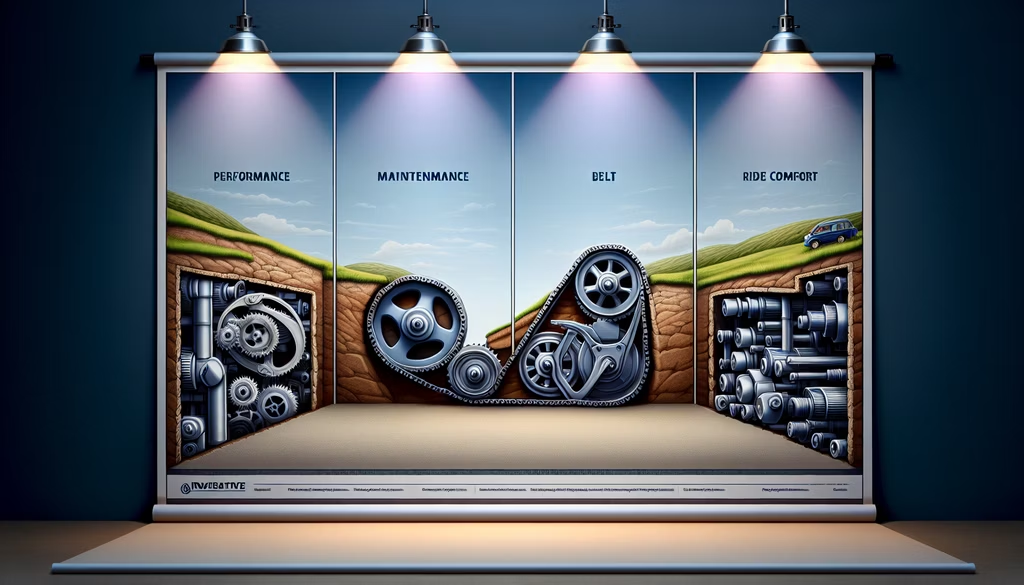
Chain vs Belt vs Shaft Drive: When it comes to choosing a motorcycle, the type of final drive—chain, belt, or shaft—plays a crucial role in shaping your riding experience. Each of these systems has its own strengths and weaknesses in areas like performance, maintenance needs, and overall ride comfort. Whether you’re a road-trip enthusiast, a daily commuter, or a performance-focused rider, understanding these differences can help you make a more informed decision that matches your riding style and expectations.
Chain vs Belt vs Shaft Drive: In this comprehensive guide, we’ll break down the key characteristics of chain, belt, and shaft drives. You’ll learn how each system impacts acceleration, maintenance routines, and long-term reliability. We’ll also explore how these drive systems affect things like vibration, noise, and the feel of the ride, ensuring you have all the insights needed to select the best option for your next motorcycle or upgrade.
How Each System Delivers Power: Performance & Responsiveness
Chain vs Belt vs Shaft Drive: When it comes to power delivery, each drive system—chain, belt, and shaft—offers a unique combination of performance and responsiveness that can drastically affect the motorcycle’s feel on the road. Chain drives excel at direct and efficient power transmission, making them the go-to choice for riders seeking immediate throttle response and sharp acceleration. This minimal power loss between the engine and rear wheel is particularly noticeable during sporty riding, where quick gear shifts and aggressive maneuvers demand maximum responsiveness. The slight trade-off is that chains can be noisier and require more frequent adjustment to maintain optimal performance.
Belt drives, on the other hand, balance performance with smoothness. While they aren’t quite as razor-sharp in throttle response as chains, belts still offer reasonably efficient power transfer with the added bonus of reduced vibration and quieter operation. This makes them preferable for riders who value a relaxed, steady cruise without the constant growl of a chain.
Shaft drives, though usually the heaviest and least direct, stand out for their exceptionally smooth and seamless power delivery. Their engineering eliminates sudden jerks or lags, but the system’s complexity can introduce power losses and a slightly delayed response when accelerating—traits more suiting to comfortable long-distance touring rather than high-octane performance. Ultimately, the choice of drive system will shape not only how your bike feels in action but also the riding style it best supports.
Keeping Your Ride Running: Maintenance Demands & Lifespan
Chain vs Belt vs Shaft Drive: When it comes to keeping your bike on the road and in peak condition, the maintenance demands of chain, belt, and shaft drives differ significantly, impacting both the rider’s routine and the system’s overall lifespan. Chain drives require the most hands-on attention: regular cleaning, lubrication, and tension adjustment are essential to prevent premature wear and ensure smooth operation. Missed maintenance can lead to rust, stretching, and ultimately the need for a full replacement, often within 15,000 to 30,000 miles depending on care and conditions.
Belt drives make life easier by needing only occasional inspections for cracks, fraying, or tensioning issues, and they typically last considerably longer—often up to 50,000 miles or more before replacement is necessary. Shaft drive systems take low-maintenance convenience to another level, with most upkeep revolving around scheduled oil changes for the enclosed gears and occasional checks for leaks. Thanks to their sealed construction, shaft drives are largely impervious to road debris and weather-related wear, usually outlasting belt and chain systems and sometimes matching the life of the motorcycle itself.
However, if a mechanical issue does arise, repairs can be more costly and labor-intensive. By comparing these systems side-by-side, riders can gauge not only the frequency and complexity of maintenance tasks but also anticipate long-term durability and the level of hands-on commitment required to keep their chosen drive system running smoothly.
Counting the Costs: Upfront and Long-Term Expenses
Chain vs Belt vs Shaft Drive: When weighing chain, belt, and shaft drives for your next motorcycle, understanding the costs—both upfront and over time—is essential. Typically, motorcycles equipped with chain drive systems have a lower initial purchase price, as chains are simple and less expensive to manufacture. Belt-driven bikes tend to fall in the mid-range, costing a bit more upfront due to the use of reinforced rubber components that provide durability and reduced maintenance.
Shaft drive systems, renowned for their longevity and minimal upkeep, often come with the highest sticker price, as the engineering and materials required are more complex and robust. However, upfront costs only tell part of the story; the long-term maintenance and replacement expenses are where the differences between these drive types become more pronounced. Chain-driven bikes require frequent lubrication, occasional tension adjustments, and relatively regular chain and sprocket replacements, which can add up over time—especially for high-mileage riders.
Belt drives significantly reduce maintenance needs and seldom require adjustment, but replacing a worn belt can be costly, though this is infrequent thanks to their longer lifespan. Shaft drives, though initially pricier, demand the least maintenance—only periodic oil changes and rare overhauls—translating into the lowest long-term maintenance costs despite potentially costly repairs if something does go wrong. When considering total cost of ownership, it’s crucial to balance these up-front and ongoing expenses against your expected riding habits and maintenance preferences.
Smoothness, Vibration, and Noise: Which is Most Comfortable?
Chain vs Belt vs Shaft Drive: When evaluating ride comfort between chain, belt, and shaft drives, factors like smoothness, vibration, and noise play a central role. Chain drives, while popular for their efficiency and direct power delivery, typically generate more vibration and noise compared to the alternatives. The metallic interaction between sprockets and links can transmit noticeable mechanical feedback under both acceleration and cruising, which becomes fatiguing during longer journeys or all-day commutes.
Riders seeking a spirited, connected feel with the road may appreciate this responsiveness, but those valuing quiet and comfort might find it less appealing for extended use. In contrast, belt drives offer a significantly smoother and quieter ride. Their rubberized belts absorb minor irregularities, reducing vibration before it reaches the rider’s seat and handlebars. This results in less fatigue during daily commutes or touring. Shaft drives excel even further in comfort by nearly eliminating drive-line vibration and noise—with their enclosed, lubricated gearing and minimal exposed parts, they produce a plush cruising experience ideal for long-distance travel.
However, shaft systems can sometimes feel less responsive or “lively” compared to chains, trading a bit of feedback for their legendary smoothness. Ultimately, comfort-focused riders and touring enthusiasts tend to prefer belt and shaft drives, while those who prioritize a raw, engaging ride may still opt for chains despite the extra vibration and noise.
Finding Your Perfect Match: Best Use Cases & Rider Types
Chain vs Belt vs Shaft Drive: Selecting the right drive system—chain, belt, or shaft—comes down to aligning your motorcycle’s performance with your typical riding scenarios and personal preferences. For the adrenaline-fueled off-road adventurer or sport enthusiast, chain drives offer the responsiveness and direct power delivery necessary for rugged terrains and fast-paced riding. Their mechanical efficiency and ability to easily handle mud, debris, and the varying loads of unpredictable environments make them the clear choice for motocross or adventure riders who prioritize performance and flexibility, despite the need for frequent maintenance like cleaning and lubrication.
Chain vs Belt vs Shaft Drive: For those who find themselves navigating city streets or looking for a smoother, quieter ride, belt drives emerge as an excellent compromise. With less vibration, lower noise, and minimal maintenance requirements, belt drives suit daily commuters and touring riders who want comfort and reliability without the mess or frequent upkeep associated with chains. Meanwhile, the shaft drive stands out as the go-to solution for long-distance touring and riders who value hassle-free durability.
Shaft systems require very little day-to-day attention and provide a super-smooth, virtually silent ride—ideal for covering hundreds of miles in comfort. In short, chain drives shine for off-road and sporty riders, belt drives excel for urban and casual touring, while shaft drives best serve those clocking major mileage or seeking ultimate ease of ownership.
Choosing the Right Drive: Matching Mechanics to Your Riding Adventure
Chain vs Belt vs Shaft Drive: Choosing between chain, belt, and shaft drive comes down to your priorities as a rider—performance, maintenance, and ride comfort all play significant roles. Chains are favored for their efficiency and direct power delivery, making them the top choice for sport and performance-oriented motorcycles. Belts, with their smoothness and low maintenance requirements, are excellent for riders who value comfort and an easy ownership experience, especially in cruisers and daily commuters. Shaft drives, while heavier, offer unbeatable reliability and minimal maintenance, ideal for touring and adventure riders who want peace of mind over long distances.
Ultimately, no one solution is perfect for everyone. Take into account what style of riding you enjoy most, how much upkeep you’re willing to perform, and the kind of terrain you’ll be on most often. By weighing the pros and cons outlined in this guide, you’ll be well-equipped to choose the motorcycle drive system that best fits your lifestyle—ensuring not only a smoother ride but a more satisfying motorcycling journey overall.
We at Speedzone specialize in offering top-quality servicing for a variety of premium motorcycle brands. Whether you ride a Yamaha, Honda, KTM, Suzuki, Kawasaki, SYM, Aprilia, Piaggio, or Mutt Motorcycle, you can trust us to keep your ride running smoothly.
Book Your Service Today
Ready to give your motorcycle the care it deserves? Or just curious to know more? With our premium motorcycle accessories available catering to every motorbike models. Book your motorcycle servicing with us or drop by our showroom today and experience the difference of expert servicing tailored to your brand and friendly staffs!

Get It Fix!
I know you want the best for your beloved bike? Why settled for 2nd best? Get our world class service technicians to work on your steed. Trust the best!
