
New & Used Motorcycle, Honda Motorcycle, Kawasaki Motorcycle
Honda vs Kawasaki: A Deep Dive into Resale Value, Reliability, and Market Demand
Jan
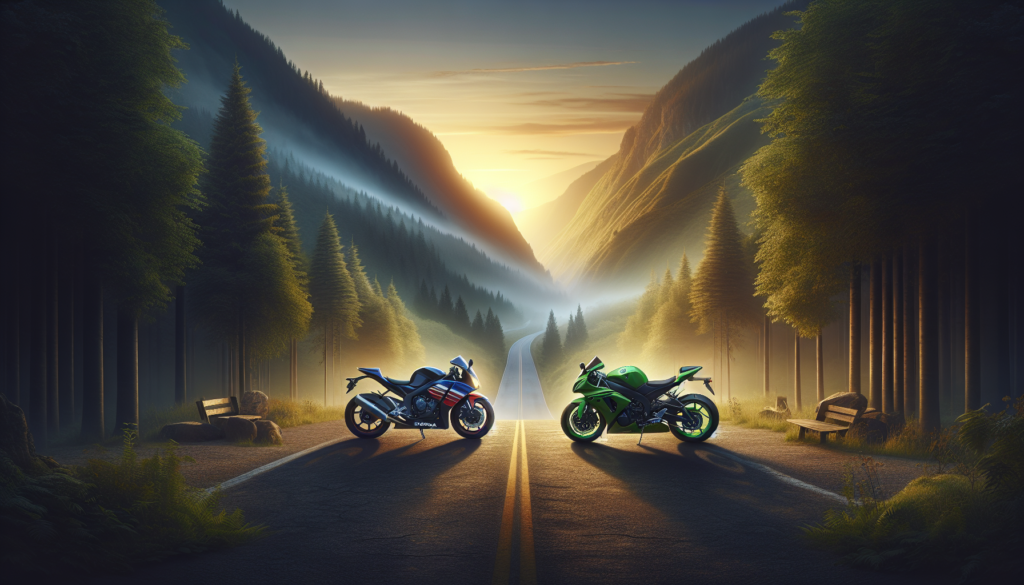
Honda vs Kawasaki: When it comes to choosing a motorcycle, two giants often dominate the conversation: Honda and Kawasaki. Both brands boast a rich history and distinctive offerings that attract riders of all kinds, yet they also differ in significant ways. This blog post aims to delve into three crucial aspects that every potential buyer should consider—resale value, reliability, and market demand. Understanding these elements can empower you to make an informed decision, ensuring that your investment yields both satisfaction and value over time.
Honda vs Kawasaki: As we explore each topic, we’ll unpack how Honda’s well-established reputation for longevity and low maintenance costs contrasts with Kawasaki’s innovation and thrilling performance, which has garnered fierce loyalty among enthusiasts. We will compare specific models and market trends, providing a comprehensive overview that not only highlights the strengths of each brand but also addresses the nuances that may sway your choice. Whether you’re a seasoned rider or a newcomer to the motorcycling world, this comparison will equip you with the knowledge necessary to navigate the bustling motorcycle marketplace and arrive at the best decision for your unique needs.
Brand Reputation & Reliability
Honda vs Kawasaki: When it comes to motorcycles, brand reputation plays a pivotal role in influencing buyer choices, especially when considering resale value. Honda has built a formidable reputation over the decades, synonymous with durability and reliability. Many riders trust Honda motorcycles to provide consistent performance over the years, which in turn boosts their resale value. This reliability factor often makes Honda a preferred choice for those looking to invest in a motorcycle that holds its worth well.
On the other hand, Kawasaki has etched its name in the performance-focused segment of the market. While Kawasaki motorcycles may offer exhilarating power and speed, this focus on performance sometimes comes at the cost of perceived reliability. Buyers in the used motorcycle market may lean towards Honda not only for the ease of maintenance but also for its track record of longevity, impacting resale decisions positively for the brand compared to Kawasaki’s reputation. Additionally, the depreciation rates over the first five years illustrate the disparity between these two brands.
Generally, Honda bikes tend to retain their value better, depreciating at a slower rate, thanks to their reputation for reliability and the higher demand in the second-hand market. Kawasaki, while popular for specific models, might see steeper depreciation as performance-oriented motorcycles can often lose value quickly when compared to their more practical Honda rivals. Consequently, when weighing resale value, understanding the implications of brand reputation and reliability can significantly influence buyer decisions, making Honda a more favorable investment for those looking to maintain their motorcycle’s worth over time.
Understanding Depreciation Rates
Honda vs Kawasaki: Understanding the depreciation rates of Honda and Kawasaki motorcycles is crucial for potential buyers who want to make informed investment decisions. On average, motorcycles begin to lose significant value in their first year of ownership, with depreciation rates often peaking around the third year. Honda motorcycles tend to depreciate at a slower pace compared to Kawasaki models, as Honda’s strong reputation for reliability and their widespread appeal contribute to higher resale values. Historical data indicates that Honda bikes may retain up to 30% of their original value after five years, while Kawasaki motorcycles, driven by performance-focused features, may exhibit a steeper depreciation curve, losing as much as 40-50% in the same time frame.
This trend underscores the importance of brand reputation and perceived reliability in the motorcycle market, thus influencing potential resale value significantly. In addition to brand perception, other factors play a role in depreciation rates. Market demand for specific models can also affect how quickly a motorcycle loses its value, with Honda’s popular models often experiencing slower depreciation due to consistent demand. Kawasaki enthusiasts might gravitate towards performance models, but these can also see quicker drops in value if they are not widely sought after in the used market.
As a result, prospective buyers should carefully consider both the brand’s overall market reputation and the specific model’s demand when assessing long-term value retention. By understanding these depreciation trends, motorcycle buyers can make more strategic purchases that align with their budget and investment goals.
Market Demand & Most Popular Models
Honda vs Kawasaki: In the ever-evolving market of used motorcycles, the demand for specific models can significantly influence resale value. When it comes to Honda, models like the CRF1000L Africa Twin and the Honda CBR650R often attract buyers due to their legendary reliability and versatility. On the other hand, Kawasaki enthusiasts are drawn to performance-oriented models like the Ninja ZX-6R and the Versys 650, which embody the brand’s sporty reputation.
Honda vs Kawasaki: The most popular models from both manufacturers frequently reflect the preferences of the motorcycle community—not just in terms of performance, but also in their perceived reliability and ability to retain value over time. This creates a unique interplay between model desirability and the economic reality of resale pricing in the used market, ultimately impacting consumer decisions and resale potentials for both Honda and Kawasaki motorcycles. As we delve deeper into the market, we can see that while Honda bikes typically enjoy a broad appeal thanks to their stellar reputation for dependability,
Kawasaki’s focus on performance allows it to maintain a loyal customer base seeking speed and agility. This distinction plays a crucial role in which models are most in demand among used buyers, shaping how effectively these motorcycles hold their value. Factors like nature of usage, maintenance history, and overall condition will further delineate the market, with buyers often gravitating toward well-maintained models from either brand, ensuring strong demand and a steady interest in the resale market.
Maintenance Costs & Running Expenses
Honda vs Kawasaki: When considering maintenance costs and running expenses between Honda and Kawasaki, it’s essential to recognize how these factors directly influence the bikes’ resale values. Honda, known for its long-standing reliability, typically offers more affordable service costs due to the widespread availability of parts and a robust service network. This accessible upkeep contributes positively to Honda’s reputation, making it a preferred choice for motorcyclists looking to maintain a lower total cost of ownership.
In contrast, Kawasaki, while celebrated for its performance-oriented engineering, may incur higher maintenance expenses, particularly for its sport bike models. This discrepancy can deter prospective buyers, leading to a slightly higher depreciation rate compared to its Honda counterparts, especially in the used motorcycle market where affordability is a key factor for many enthusiasts. Additionally, the financial feasibility of upkeep plays a pivotal role in the overall resale value of both manufacturers’ motorcycles.
Models with higher maintenance demands from Kawasaki could see a decrease in desirability, diminishing their resale potential. Conversely, Honda’s reputation for lower running costs often translates into stronger market demand for its motorcycles, further bolstering their resale value. Overall, understanding the implications of maintenance and running expenses is vital for prospective buyers and current owners alike, as these factors can ultimately determine how well each brand retains value over time.
Impact of Condition & Mileage on Value
Honda vs Kawasaki: The condition and mileage of a motorcycle are pivotal factors that greatly influence its resale value, particularly when comparing Honda and Kawasaki. Generally, lower mileage signifies less wear and tear, making it more attractive to potential buyers. Both brands have a reputation for reliability, but Honda’s long-standing image of durability often allows its motorcycles to maintain their value better over time.
Conversely, Kawasaki offers performance-oriented bikes which may appeal to a different buyer demographic; however, higher usage can lead to a quicker depreciation in value. Accidents and modifications can also significantly detract from a bike’s market appeal—bikes that have been involved in accidents typically face a substantial drop in resale price, regardless of the brand. Additionally, highly customized motorcycles may alienate a broader audience, as specific modifications may not align with potential buyers’ preferences, impacting overall value retention negatively.
Moreover, the upkeep of a motorcycle, including regular maintenance and service history, plays a key role in its resale value. Honda motorcycles, known for their parts availability and lower maintenance costs, often attract buyers looking for a reliable second-hand vehicle. In contrast, while Kawasaki models can command interest due to their sportier designs, the potential cost of ownership and the associated upkeep can deter buyers, thereby influencing their resale value negatively over time. Ultimately, understanding how these factors intertwine will help prospective buyers and sellers navigate the second-hand motorcycle market more effectively.
Final Thoughts: Choosing Wisely Between Honda and Kawasaki
Honda vs Kawasaki: In conclusion, when comparing Honda and Kawasaki, it becomes evident that both brands bring unique strengths to the table. Honda has established itself as a leader in reliability and resale value, making it a preferred choice for many consumers looking for long-term investments. Their models often retain value exceptionally well, supported by a reputation for durability and low maintenance. On the other hand, Kawasaki appeals to a different segment of motorcycle enthusiasts with its aggressive performance and innovative technological advancements. While their resale value may not always match Honda’s, the excitement and experience of riding a Kawasaki can be unmatched for those who prioritize performance over long-term financial considerations.
Ultimately, the decision between Honda and Kawasaki should align with individual priorities—whether that be securing a reliable and high-value asset or experiencing cutting-edge performance. Factors such as market demand, personal preferences, and riding styles significantly influence the choice. Prospective buyers are encouraged to weigh these considerations carefully, as the ideal motorcycle reflects both their lifestyle and riding passion. No matter which brand a rider chooses, both Honda and Kawasaki offer incredible machines that contribute to the vibrant motorcycle community.
We at Speedzone specialize in offering top-quality servicing for a variety of premium motorcycle brands. Whether you ride a Yamaha, Honda, KTM, Suzuki, Kawasaki, SYM, Aprilia, Piaggio, or Mutt Motorcycle, you can trust us to keep your ride running smoothly.
Book Your Service Today
Ready to give your motorcycle the care it deserves? Or just curious to know more? With our premium motorcycle accessories available catering to every motorbike models. Book your motorcycle servicing with us or drop by our showroom today and experience the difference of expert servicing tailored to your brand and friendly staffs!
