
Yamaha Motorcycle, Class 2B Motorcycles, Yamaha Technology
MT-15 Suspension Upgrade: Daily to Highway Handling Gains (2026)
Sep
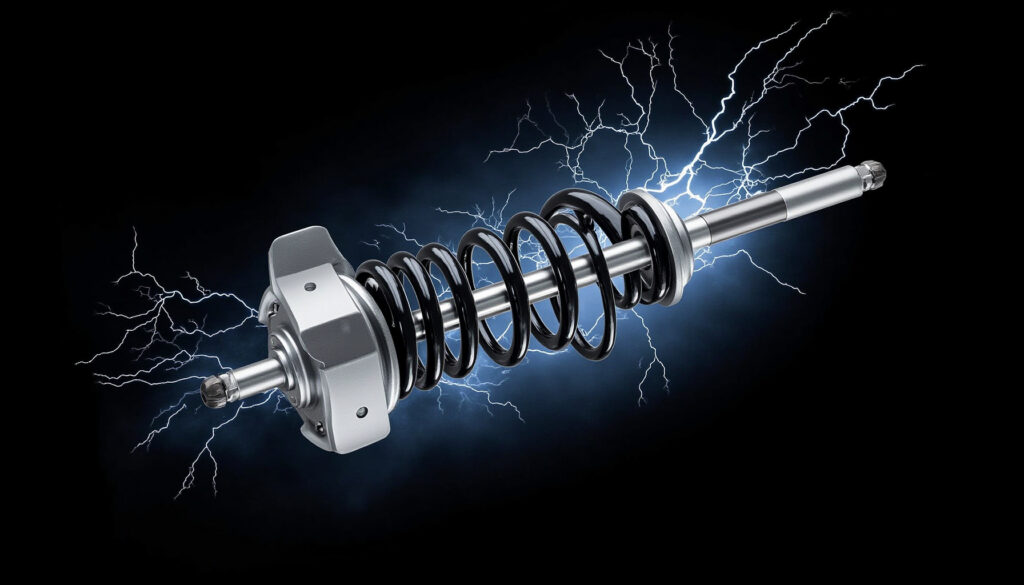
MT-15 Suspension Upgrade: Many MT-15 riders feel the bike handle perfectly between traffic lights, yet start to skip confidently once the speed climbs and the road changes. If your daily commute leaves you stiff over bumps but you still want calm control on the highway, a MT-15 Suspension Upgrade may be the answer. This ride is small, light, and tuned for town use, so every comfort upgrade has to also respect efficiency. That balance is exactly where many riders get confused.
In this guide we will keep it simple. We will explain why the suspension feels different on city streets versus open roads, how to spot signs your current setup is holding you back, and what to adjust first. We will compare practical changes like setup checks, damping feel, and ride-height choices in plain language.
You will also get a realistic view of how each upgrade affects comfort, control, and tire grip during daily use and highway stretches, without turning a simple MT-15 into a complex project. Think of this as a step-by-step path from rough-stop comfort to smoother, steadier high-speed riding. Let’s begin by identifying where your MT-15 is losing stability first, then move to proven fixes you can try.
MT-15 Suspension Upgrade Guide: Why the 2026 Rear Shock Decision Matters for Daily Riders Going Highway
MT-15 Suspension Upgrade: For riders using the MT-15 from office runs to weekend escapes, the MT-15 Suspension Upgrade question usually comes down to one practical issue: when does the stock setup stop feeling safe and comfortable, especially once you leave city speed and enter highway flow. This guide is for daily commuters, weekend riders, highway commuters, and two-up users who want a machine that behaves predictably over bad patches, long stretches, and sudden lane changes.
The stock rear shock on the MT-15 is usually competent for everyday solo riding on reasonably maintained roads. Many riders appreciate its basic comfort, simple setup, and reliability for short-to-medium commutes. If your load is light, your pace is steady, and your routes are mostly urban with low cornering load, this baseline setup can be enough, saving money for tyres, service, and fuel efficiency.
The decision changes when use shifts toward heavier real-world demands. A heavier rider, a regular passenger, or riding with more aggressive throttle and braking inputs can push the stock rear shock past its comfort zone. You may feel excessive squat under acceleration, reduced front-end confidence mid-corner, and more fatigue when scanning road hazards for long highway periods.
An adjustable rear shock changes that equation by letting you tune ride behavior. Preload affects how much the bike settles with you plus luggage or pillion, which is critical for two-up use. Rebound damping controls how quickly the shock recovers after a bump, helping wheel control and traction. If your chosen unit includes compression damping, you can also fine-tune how firm the shock is on sharp impacts versus smoother rolling input.
- Stock wins when budget is tight, traffic is mostly low-speed city, and daily comfort is already acceptable.
- Upgrade wins when highway miles, two-up runs, heavier load, or rough patchy roads become common.
- Skip stiff extremes if you’re unsure: over-tight settings can reduce grip, increase rider fatigue, and worsen comfort despite sounding “sporty.”
MT-15 Suspension Upgrade: From a practical perspective, local buying patterns show many riders delay suspension changes until a clear pain point appears; that makes sense financially but can miss early safety gains. A careful decision around your actual usage is smarter: define rider weight, road quality, and pace, then test with correct preload and sag before reaching for the hardest click settings. This balanced approach makes the rear-shock decision worthwhile rather than just trendy, and it keeps the MT-15 stable when commuting to the highway and beyond.
In short, the rear-shock choice for a 2026 MT-15 should be based on use-case, not ego. If your riding stays mild and solo, the stock unit remains a practical setup. If your routine includes frequent highway commuting, pillion travel, or spirited cornering, your next upgrade decision is less about comfort cosmetics and more about consistent control.
Stock Rear Shock on the MT-15 (2026): What It Handles Well and Where It Breaks Down
MT-15 Suspension Upgrade: The MT-15’s stock rear shock (2026) is built for broad usability, and in many commuting scenarios it does a good job. On smoother city roads, especially in stop-and-go traffic, it delivers a forgiving ride that helps reduce fatigue when you spend long hours in mixed urban traffic. For riders who value predictability over experimentation, this non-complex setup is a real strength.
That same simplicity is why it is often appreciated for reliability: basic construction, steady behavior over normal pavement, and generally low-maintenance ownership. There are fewer knobs, fewer adjustment mistakes, and fewer opportunities to chase settings that feel good one day and harsh the next. If your route is mostly paved and your riding rhythm is calm, the stock unit often feels more than adequate.
Where it starts to show limits is under additional load. A heavier rider, regular passenger and luggage use, or repeated full-power corner exits can reveal a setup that was tuned for lighter, less demanding use. On these days, body control and rear tire confidence depend more on shock behavior than on throttle skill alone, and the fixed baseline can feel like it is lagging behind the inputs.
MT-15 Suspension Upgrade: Real roads stress the rear suspension in ways short road tests may not. Through repeated potholes, especially when hitting edges at speed, the rear end can feel like it is kicking back rather than absorbing, and then recovering abruptly. In corners, if the shock cannot match load transfer well, riders often notice walling, a loose “float” before straightening, or an uneasy tail-end movement they call rear chatter.
These are classic signs of underdamping or incorrect springing in practical terms: harsh kickback, reduced grip over rough patches, and a tendency for the tire to lose planted confidence over bumps. Aggressive brake-to-throttle transitions also expose this more because the shock has to control both unloading and re-compression cycles quickly; without appropriate adjustment range, you feel that as instability in the seat and steering corrections that arrive too late.
In many local riding environments, where pothole-heavy roads, occasional highway stretches, and frequent short trips combine with family two-up runs, this matters. A rider who does infrequent, gentle commuting may prioritize the stock comfort-plus-maintenance balance, while someone who rides aggressively or carries load often daily will feel constrained and begin looking at an MT-15 Suspension Upgrade.
The practical decision is not just comfort versus sport. If your budget and workshop access are limited, keeping the original unit for now is a low-risk choice. But if you regularly ride with a passenger, load for long-distance errands, or push hard at exits and over undulations, a tailored rear response is usually the most effective upgrade path for long-term control and confidence.
Quick Specs: Stock MT-15 Rear Shock vs Adjustable Upgrade at a Glance
MT-15 Suspension Upgrade: If you are deciding on an MT-15 Suspension Upgrade and want clarity before spending, this Quick Specs comparison helps you separate feel improvements from hype. The biggest question is usually not power or looks, but whether your riding load and road style justify extra tuning control. Use this as a practical filter before checking dealer quotations or online listings.
Because many shocks and brands are sold through different local channels, exact specs, pricing, and install notes can vary from one model range to another. That is why this section uses only documented fields and clearly marks what is N/A when not specified.
| Criterion | Stock MT-15 Rear Shock | Adjustable Rear Shock |
|---|---|---|
| Adjustment capability (preload/rebound/compression) | N/A in this guide; base setup is fixed/basic in description. Compression adjustability is not documented. | Preload and rebound adjustment included; compression adjustment only if model supports it. |
| Adjustment range | N/A (varies by model/brand). | Varies by model/brand and tuning system. |
| Comfort consistency | Comfort is solid for normal solo use but can become less consistent with changing load or harder riding. | Can improve consistency when tuned for rider weight, loading, and road quality. |
| Load adaptability | Noted limitations when the bike carries a heavier rider, passenger, or aggressive use case. | Better suited for load changes when preload and damping are set correctly. |
| Traction retention under load | May reduce rear contact confidence in load-heavy situations and abrupt transitions. | Better potential to hold traction under load when rebound/preload balance is adjusted. |
| Maintenance effort | Routine service profile with no documented tuning maintenance burden. | Can involve more periodic checks to keep settings aligned after rider, load, or tire changes. |
| Installation complexity | N/A (varies by model/brand). | Varies by model/brand; typically requires setup steps beyond bolt-on feel. |
| Expected price band from current market listings | N/A (varies by model/brand and market location). | Varies by model/brand and market listings. |
| Best-fit rider profile | City commuting, lighter load, controlled pace. | Riders doing highway work, rough roads, two-up duty, or spirited cornering. |
For an MT-15 Suspension Upgrade decision, the strongest signal is ride profile, not just comfort. If your use is mostly short daily commutes and you avoid big load spikes, stock behavior can remain practical. If you regularly carry a pillion, ride broken highway stretches, or push corners, adjustability usually gives better confidence and value over time.
- Local buying behavior note: because accessory prices fluctuate by city and stock, compare multiple quotes before committing.
- Decision cue: if uncertainty remains, prioritize professional setup help so you can tune for load and not over-tighten damping.
- Trust filter: if your ride is gentle, avoid paying premium for features you won’t use; if it is demanding, pay for tunability.
Both options can be valid buys. The key is matching the setup to your real-world use and not chasing adjustment features you cannot actually use.
Adjustable Rear Shock in Practice: How Preload, Rebound, and Compression Damping Change MT-15 Grip
MT-15 Suspension Upgrade: For many owners, the first impression from an MT-15 Suspension Upgrade is comfort; the real value appears after you understand how to tune it. A lot of riders complain that the rear feels wallowy with a pillion, heavy groceries, or fast lane changes, which is exactly where adjustability can help. If your commute is unpredictable—speed-breaker-heavy streets, uneven stretches, and some highway pushing—this practical knowledge helps you choose settings that improve control instead of creating new problems.
Preload adjusts where in the shock’s travel you begin from, so it directly changes ride height, initial firmness, and the sag window. More preload usually raises the rear slightly, reduces excessive squat, and keeps the tire planted during hard throttle transitions; less preload does the opposite by giving more initial movement. If you are heavier, ride two-up often, or carry regular loads, too little preload can create deep squatting and vague rear feedback, while too much can make the rear skip over small ripples.
Rebound damping is about what happens after a bump hit—how quickly the shock extends back to its normal position. Too fast rebound feels like the wheel kicks back and chatters, reducing rear contact and confidence when trail braking into a turn. Too slow, and the rear can feel packed down over a series of bumps, making the bike feel delayed and unstable. A balanced rebound keeps the wheel tracking better, which matters for smooth city crossing and late-braking confidence.
Compression damping controls how hard the shock resists being compressed when the wheel meets hits. If set softer, the rear absorbs potholes more and feels plush; set firmer and body roll and dive reduce, helping stability in quick corner entries. However, excessive firmness can bounce grip away and feel harsh on broken roads. Not every unit gives you this control—some adjustable shocks only offer preload and rebound with compression fixed—so verify what your model actually allows before buying.
MT-15 Suspension Upgrade: Simple behavior targets usually work like this: better setup = better rear contact, controlled squat, calmer mid-corner stance; over-tightened damping = less comfort, less traction, and a harsher ride. In a practical MT-15 Suspension Upgrade lens, think like this:
- Daily commute: avoid extremes; start with smoother settings for fatigue-friendly control.
- Rough roads: prioritize compliance so the rear can recover traction quickly.
- Highway use: modestly firm rebound/compression for stability on repeated undulations.
- Two-up riding: re-check preload and sag with real passenger/load weight.
Because local riding conditions and use patterns vary, pair any new shock with correct compatibility checks and a realistic setup routine. A wrong setting on a quality unit can feel worse than a good stock shock, so treat adjustment as part of the purchase, not an afterthought. If you are on the fence, the conservative path is clear: tune one parameter at a time, test over your normal roads, and stop when traction and comfort both improve rather than chasing a stiffer number.
Stock vs Adjustable Handling: Daily Commuting, City Spikes, Highway Sweepers, and Two-Up Loads
MT-15 Suspension Upgrade: When deciding on an MT-15 Suspension Upgrade, the question is not only comfort, but handling consistency across every stretch you actually ride. In Indian-style stop-and-go traffic, city potholes, and mixed highway use, riders quickly discover that comfort and control are not independent; both shift with load, speed, and road quality. This scenario scorecard shows where stock behavior ends and adjustable behavior starts to matter, without overpromising gains that only a premium setup can provide.
Scenario scorecard
| Scenario | What matters | Stock Rear Shock | Adjustable Rear Shock | Measurable advantage |
|---|---|---|---|---|
| Short broken roads | Comfort on quick impacts | Acceptable for short, light-load commutes, but can feel harsh or unsettled on repeated impacts | Preload and rebound can be tuned to soften small chop and keep rear grip steadier | Adjustable: noticeable comfort and fatigue reduction |
| City stretches with spikes and patches | Wheel control over irregular surfaces | Predictable to a point, then loses authority when road quality drops repeatedly | Damping control helps the tyre stay planted, especially when traction is changing constantly | Adjustable: clearer control in rough urban lanes |
| 80–120 km/h highway transitions | Confidence during lane changes and overtakes | Rideable baseline but can feel abrupt under fast transitions | Better balance through better rear support and response control | Adjustable: stronger confidence margin |
| Mid-corner balance (upright to leaned) | Composure in steady turns | Balanced but less adaptable when road banking, load, and pace change | Rebound/compression blend (if available) helps the chassis settle faster and hold line | Adjustable: cleaner cornering feel |
| Braking over rough patches | Rear stability when decelerating | Useful as a baseline, can transmit sharper feedback | Fine tuning reduces rear squat feel and helps maintain smooth feedback | Adjustable: better repeatability under braking |
| Two-up touring comfort | Load support and reduced wallowing | Often feels less controlled with passenger and luggage; can sit deep into travel | Preload adjustment restores ride height and balance, giving better comfort for both rider and pillion | Adjustable: clear advantage for regular two-up use |
MT-15 Suspension Upgrade: For daily-only commuters in light traffic, the stock setup can still be the practical choice, especially if you want fewer workshop touchpoints and faster, low-effort maintenance. If your routine includes frequent rough pockets, long highway slivers, and mixed two-up trips, the adjustable route usually earns back the investment by reducing rider strain and improving stability.
- If your city roads are generally smooth and short, stay with stock and monitor for rider/pillion comfort drift.
- If you regularly carry a passenger, load for errands, or ride 80+ highway transitions weekly, prioritize an adjustable rear shock.
When upgrading, think like a buyer, not a tuner: match setup to your weight and riding pattern first, then adjust in small steps. Over-stiff settings can reduce grip and comfort, especially on sharp road edges, so avoid the instinct to simply lock everything down. A measured, scenario-based setup is the real value of a suspension upgrade.
MT-15 (2026) vs Previous MT-15 Setup: What Changes and Whether It Alters the Upgrade Math
MT-15 Suspension Upgrade: When comparing MT-15 (2026) against earlier MT-15 setups for suspension planning, the practical question is not just what changed on paper, but whether the upgrade path changes. Based on the documented setup philosophy, both generations are generally tuned around comfort-first usability, with durability and predictable behavior for daily riding. That means the MT-15 Suspension Upgrade decision still hinges less on model-year hype and more on your actual load, road quality, and riding aggression.
| Comparison Area | MT-15 (2026) | Previous MT-15 Setup | Upgrade Impact |
|---|---|---|---|
| Primary tuning intent | Balanced comfort and reliability for mixed traffic use. | Similarly tuned for everyday usability and low-maintenance character. | Expect only marginal baseline behavior differences unless you notice real-world mismatch. |
| Weakness at edge cases | Can become stressed with heavier rider, passenger, or aggressive inputs. | Same documented load-sensitive limits are usually reported. | Upgrade math stays strong if you regularly exceed comfort limits. |
| Adjustability baseline | Stock arrangement remains fixed in feel unless tuned by replacement. | Earlier generation follows the same non-adjustable default behavior pattern. | Swapping to an adjustable rear shock usually adds control over preload, rebound damping, and potentially compression damping (if available). |
| Daily/rough-road behavior | Comfortable at normal commute loads; less confidence on broken surfaces. | Comparable trade-off profile. | Aftermarket adjustability helps comfort and traction consistency when set correctly. |
| ROI trigger | Highway two-up and spirited commuting can expose limitations sooner. | Previous models show the same usage pattern. | If these use-cases are common, upgrade ROI improves significantly over waiting for OEM revisions. |
MT-15 Suspension Upgrade: From a practical buyer perspective, if your use is mainly light solo commuting, the cost of an aftermarket adjustable rear shock can wait. But if you often do rough-road touring, corner hard, carry a pillion, or run a heavier load, replacing the stock rear shock can improve ride control faster than hoping for slow OEM evolution. This is especially relevant if you value predictable braking and traction over pure simplicity, which often drives real purchase confidence.
- For a strong business case, confirm compatibility clues first: shock mount style, length/eye-to-eye class, and available adjustment range before purchase.
- Match spring rate to your real body weight and cargo expectation, then set preload and sag together, not in isolation.
- Use rebound and compression damping (if your unit supports it) progressively; over-stiffening can reduce grip and comfort, undoing the whole point of the upgrade.
In short, unless a clear mechanical revision is available in your market, the upgrade math between current and previous MT-15s is usually stable: spend when your riding pattern proves it, and set it up properly to avoid expensive disappointment. That mindset gives you a smarter, safer, and more confident path to your MT-15 Suspension Upgrade.
MT-15 Suspension Upgrade Buyer Concerns: Warranty, Dealer Support, and Local Compliance
MT-15 Suspension Upgrade: When you consider an MT-15 Suspension Upgrade, confidence comes from understanding non-ride risks as well. Many owners focus on smoother handling, but the deciding factor is often whether the change creates post-sale friction with warranty claims, inspection authorities, or workshop support. If you handle those details first, the upgrade decision becomes much cleaner.
For warranty, the core question is simple: is the replacement treated as a standard accessory change or an unsupported modification? Ask your local dealer in writing whether rear-shock replacement affects only warranty components directly touched by that part. Ask whether future service support remains intact for engine, brakes, and electronics, and whether photos, serialed invoice, and fitted-part details are needed on record.
Dealer installation can also protect future service relationships, especially in cities where many buyers rely on dealership history for later resale and compliance support. If you use an independent shop, request a detailed job sheet anyway. Keep copies of preload and damping settings used at install so the next mechanic can restore baseline if required. The key is transparency, not where the work is done.
Risk-reduction checklist before purchase:
- Get written confirmation on warranty impact from the dealer/service advisor.
- Ask if the fitment is fully reversible without frame/part damage.
- Insist on part description and compatibility notes on the invoice.
- Confirm local transport inspection/PUC office view on non-structural suspension modifications.
- Verify shop capability for ride-height/sag setup, damping tuning, and rear wheel alignment checks.
- Ask for test-ride sign-off after setup, not just basic mounting.
- Ask who will handle follow-up tuning after first rides and rough-road break-in.
MT-15 Suspension Upgrade: On the compliance side, rules vary by city and state, so don’t assume one region’s rule applies to another. For local checks, the practical move is to verify in advance if inspectors and PUC-style fitness checks care about suspension changes that do not alter structural frame mounts. Having written notes and photos of pre and post-install condition can help if questions arise.
Finally, budget in three buckets: the shock, professional installation, and setup tuning. A lot of riders focus on component cost alone, then discover poor setup creates harsher ride or reduced grip from wrong settings. If you plan for service continuity and local compliance from day one, your MT-15 suspension upgrade can feel safer, more reliable, and more confident for daily, two-up, and highway use without unpleasant surprises.
Is an Upgrade Worth It? Choosing & Setting Up the Right MT-15 Rear Shock for Your Riding Profile
MT-15 Suspension Upgrade: MT-15 Suspension Upgrade decisions should be based on how you actually ride, not just on what the machine can be tuned to do in theory. The stock rear shock is built for broad use and durability, and it remains a practical choice for riders who value simplicity and lower setup cost. But once rider weight, pillion use, or aggressive cornering enters the mix, the same comfort-first baseline starts to show limits on control and confidence.
Use this quick matrix when deciding:
- Lighter daily commuter: mostly city traffic, short rides, mostly solo. The stock setup is often acceptable if you are not frequently overloading the rear or riding aggressively.
- Heavier rider: the fixed damping and spring balance of the stock rear shock may feel under-supported; an adjustable rear shock is typically the better value path.
- Frequent two-up rider: passenger plus luggage on rough roads usually justifies upgrading, because load variance affects sag and rebound behavior more than most people expect.
- Aggressive rider: for repeated hard braking-to-throttle transitions, late corner exits, and road imperfections, the control from damping control is usually worth the change.
- Long-distance highway rider: if fatigue, rear-end chatter, and confidence over long rough stretches are recurring issues, move to adjustable control settings to tune comfort and stability.
MT-15 Suspension Upgrade: Buying behavior matters here: many MT-15 owners rely on local workshops for installation and want a setup that stays predictable, not finicky. The right move is often to pick an option you can tune yourself or with one trusted mechanic, especially where road conditions change daily.
Setup workflow: First verify fitment dimensions and mounting compatibility for the MT-15 before purchasing. Next, confirm spring suitability for your combined rider-and-gear weight, because preload and sag only work well when the spring rate is in the right range. Start with a baseline sag/preload setting, then tune rebound damping in small increments; if your shock has compression damping, make very mild moves there only after rebound feels controlled.
Then road-test in your normal use case: one run for city bumps, one for cornering, and one loaded or two-up session. Improve one parameter at a time and note whether grip, braking stability, and comfort improve together. The rule for traction-safe tuning is simple: stop adjusting as soon as better control comes at the cost of rear grip or comfort—if you feel more skipping, skittishness, or reduced compliance, you have over-tightened. Lock in that setting and ride it with consistency before making any further changes.
Frequently Asked Questions
Can I use a full aftermarket adjustable rear shock on the MT-15 2026 safely?
Yes, but only if the unit is confirmed to fit the MT-15 2026 chassis and suspension mount points. A safe **MT-15 Suspension Upgrade** starts with fitment, not price: mismatched eye-to-eye length or improper travel can hurt handling faster than you expect. Make sure preload, spring rate, and any available damping circuits are set for your riding weight and usage pattern so comfort and control stay balanced.
Do I need a mechanic or can I install it myself?
You can do the physical swap yourself if you are comfortable with basic mechanical work, but the first setup phase is where many riders make costly mistakes. For daily commuting in mixed traffic, an incorrect final adjustment can feel worse than stock because pothole response, cornering confidence, and braking behavior change immediately. A trusted mechanic or suspension-focused shop can quickly verify alignment, nut torque, and baseline preload and rebound damping so you don’t over-tune on crowded roads.
Which is more important for MT-15 handling, spring preload or damping?
For most MT-15 users, getting preload right first is the smarter move because it controls how the bike sits and how much sag you carry under rider, passenger, and luggage loads. Once preload is stable, use rebound damping and, where available, compression damping to fine-tune recovery and comfort between corners and over rough patches. In practice, people who jump straight to damping changes often chase harshness or wallowing, while a simple preload correction already fixes a lot of everyday instability.
Will a stiffer rear shock hurt comfort on pothole-heavy roads?
It can, if you set it too firm. The goal of the MT-15 Suspension Upgrade is not just a tighter platform but better control, and over-stiffening will reduce small-bump compliance, which can skip the tyre over uneven surfaces. If your commute includes broken roads, increase stiffness in small steps and test in short loops so you avoid reducing traction through unnecessary harshness.
How quickly can I tell if my MT-15 Suspension Upgrade improved traction and confidence?
Usually within the first few rides, especially on familiar roads where you can compare before/after behavior. Use three repeat checks: brake exit on rough patches, cornering mid-speed, and acceleration over small bumps with normal load and then two-up if that’s your use case. If confidence is still low, it usually means the setup is not yet matched to your conditions—small corrections to sag and rebound damping make the biggest difference.
| What to verify during setup | What to watch for |
|---|---|
| Model fitment | Correct dimensions and secure mounting before any clicker changes |
| Preload and sag | Stable ride height and controlled squat for solo vs two-up |
| Damping behavior | No excessive harshness, less pogo motion, and better consistency on rough surfaces |
Should You Buy? Our Verdict on the MT-15 Suspension Upgrade for Daily-to-Highway Riders
MT-15 Suspension Upgrade: If you ride an MT-15 from office lane to highway on a daily basis, this guide boils down to a simple decision: will the stock setup stay composed as loads and roads vary, or do you need controlled adjustability? A good MT-15 Suspension Upgrade is usually about consistency, not fashion—especially if your commute includes potholes, sudden corners, and mixed traffic conditions where stability matters as much as comfort. For many riders, this decision is also financial: a moderate budget and a clear use case often deliver better value than buying the loudest option and then overcorrecting suspension settings.
The following split helps you decide fast by rider type and likely riding day-to-day:
Top 3 scenarios where upgrading is strongly recommended:
- Heavier riders, especially when carrying a passenger or heavy daily luggage, because the rear unit has to handle more weight variation and the stock setup can feel under-damped on rough city-to-highway transitions.
- Riders who corner aggressively or ride fast on connecting highways; adjustable preload, rebound damping, and often compression damping help keep tyre contact predictable through turns and bumps.
- Frequent rough-road users or suburban riders who face repeated undulations; once comfort starts to drop and the rear end “packs,” traction and rider confidence suffer.
Top 3 scenarios where stock is enough:
- Light riders doing mostly smooth urban commuting with conservative throttle use and no frequent aggressive cornering.
- Short-distance users who rarely ride with a pillion and are not pushing the bike hard on highways.
- Riders prioritizing simplicity, lower immediate cost, and easy maintenance with factory-level reliability as the first priority.
Two cases where training or setup should come before hardware:
- New riders adjusting to suspension behavior often misread what “harsh” feels like; a short professional session on preload, rider stance, and riding lines can fix most complaints.
- New pillion riders should tune basics first—correct loading habits, tire pressure checks, and baseline setup; a beginner-level setup correction may solve the problem before spending on parts.
If you want a clear purchase path: choose stock tune for low-cost practicality, basic shock for moderate loads and mixed roads, or full adjustable setup for heavier riders and frequent spirited/highway use. Whatever you choose, the smartest move is consistent: book a professional setup session, keep the bike to your usual commute and known highway stretches, and test under real-world conditions within one week before finalizing settings. That way, you spend intentionally and ride with more trust.
We at Speedzone specialize in offering top-quality servicing for a variety of premium motorcycle brands. Whether you ride a Yamaha, Honda, KTM, Suzuki, Kawasaki, SYM, Aprilia, Piaggio, or Mutt Motorcycle, you can trust us to keep your ride running smoothly.
Book Your Service Today
Ready to give your motorcycle the care it deserves? Or just curious to know more? With our premium motorcycle accessories available catering to every motorbike models. Book your motorcycle servicing with us or drop by our showroom today and experience the difference of expert servicing tailored to your brand and friendly staffs!
