
Motorcycles Riding Tips, Riding Techniques
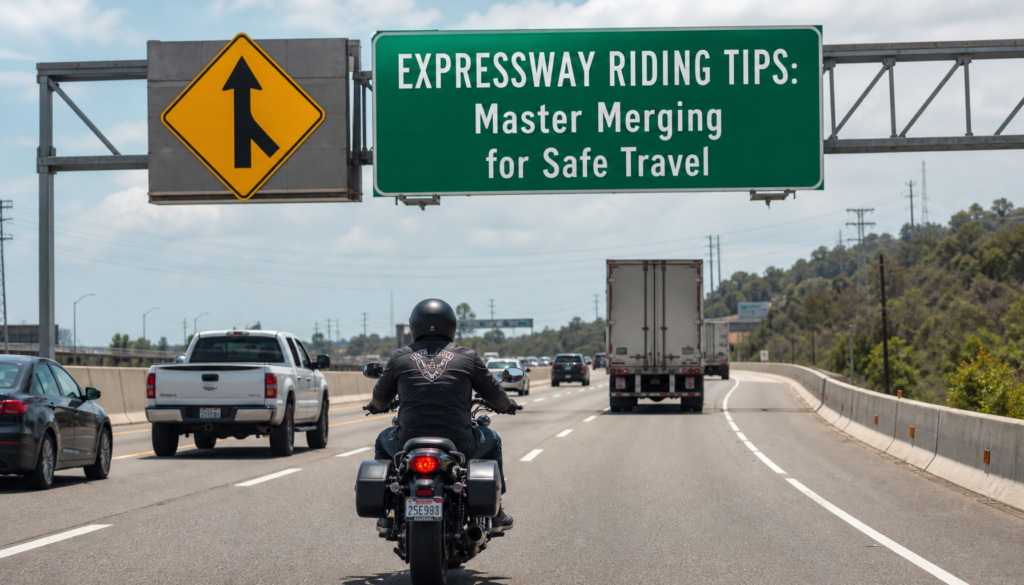
Expressway Riding Tips: Master Merging for Safe Travel
Jun
Expressway Riding Tips: Merging onto an expressway can cause anxiety for many drivers. The rush of speeding cars and the pressure to fit in can be intimidating. Mastering the art of merging is essential for safe travel, especially in today’s fast-paced driving environment.
This guide will equip you with effective expressway riding tips that focus on smooth merges and confidence behind the wheel. We will discuss crucial elements such as timing, speed control, and proper signaling. Whether you’re a new driver or looking to brush up on your skills, you will find valuable insights here. Get ready to hit the road with a renewed sense of assurance and safety.
Mastering Expressway Riding: Essential Tips for Beginners
Expressway Riding Tips: For beginners, mastering expressway riding is essential for both safety and confidence. Riding on expressways presents unique challenges that differ significantly from typical road riding. Therefore, understanding how to merge effectively is a critical skill, as it sets the foundation for a safe and enjoyable journey. This section highlights some essential tips every novice rider should know as they embark on their highway adventures.
First and foremost, merging before speeding up is a vital practice. Many new riders mistakenly prioritize speed over safety; however, successful expressway riding starts with understanding how to judge traffic gaps, check blind spots quickly, and smoothly match the flow of traffic. Remember, riding fast can wait until you are comfortable with expressing the skill of merging.
Expressway Riding Tips: Another key factor is lane positioning. Staying visible is crucial, as it minimizes risks associated with vehicle blind spots. By learning how to position yourself in the lane properly, you can enhance your visibility and create escape routes, which can improve your reaction time during sudden traffic changes. Positioning not only keeps you in sight but also affords you greater control.
Beginners also need to account for wind fatigue, which can be surprising for those unaccustomed to highway speeds. Sustained wind pressure can be exhausting, but adopting proper posture, maintaining a relaxed grip, and wearing wind-resistant gear can significantly alleviate this fatigue over long distances.
Moreover, reading traffic far ahead is more critical than focusing on the vehicles immediately nearby. Skilled expressway riders constantly scan several cars ahead, allowing them to detect brake lights, lane changes, or congestion well in advance. This proactive approach provides ample time to react safely.
Lastly, emergency situations on the expressway are distinctly different due to higher speeds. Hard braking, tire punctures, debris, or sudden rain can lead to dangerous scenarios quickly. Riders must recognize that stopping distances increase greatly at high speeds and that smooth, composed inputs are far safer than hasty reactions. By understanding these dynamics, beginners can navigate expressway riding with confidence.
1. Master Merging Before Speeding Up
Expressway Riding Tips: When it comes to expressway riding tips, one of the most crucial skills to master is confident merging. For beginners, the excitement of speed can often overshadow the importance of safely integrating into traffic. Merging isn’t just about finding a gap; it’s about doing so with assurance and awareness. Take the time to judge traffic gaps accurately, as well as to check your blind spots thoroughly before making any moves.
A good starting point is to practice assessing the distance and speed of vehicles already on the expressway. This will inform you when it’s safe to accelerate and merge into the flow of traffic. Remember, it’s better to take a little extra time to find a clear path than to force your way into a potentially dangerous situation.
Expressway Riding Tips: Your focus should also include scanning multiple lanes in front of you, rather than only the vehicle directly ahead. By doing so, you will be able to anticipate changes in traffic patterns—like vehicles slowing down or changing lanes—which allows you to react more smoothly. Staying aware of your surroundings early will facilitate safer merging and overall riding.
Moreover, avoid lingering in blind spots—both your own and those of other vehicles. Adjust your lane positioning as needed to maximize visibility. Good positioning can significantly enhance your safety by providing better escape routes and quicker reaction times during sudden traffic changes.
As a beginner, fully embrace the learning process of merging. It’s less about speed and more about mastering the basics that will ensure your safety on the expressway. The foundation you build here will support not only your confidence but your ability to handle more challenging riding situations as they arise. So, take a deep breath, keep your head clear, and focus on smooth, cautious merging.
2. Lane Positioning Changes Everything
Expressway Riding Tips: Effective lane positioning is crucial for safe expressway riding. By understanding how to utilize your lane effectively, you can significantly enhance your visibility on the road, create escape routes, and improve your reaction time during sudden traffic changes. This strategy is essential for beginner riders who want to navigate expressways with confidence.
First and foremost, maintaining visibility helps you avoid common accidents. Riders should actively avoid lingering in the blind spots of larger vehicles, as they can reduce your ability to be seen by other drivers. Instead, position yourself where you can be clearly seen in the mirrors of those around you. This not only keeps you safer but also allows you to make better-informed decisions.
Expressway Riding Tips: When positioning your lane, consider that being in the left third of your lane helps with visibility. This position provides a clear view of the road ahead while keeping you out of the immediate paths of vehicles. Additionally, this positioning creates an escape route should you encounter unexpected hazards, such as a sudden stop in traffic. Always scan your surroundings and ensure you have space to maneuver should an emergency arise.
Furthermore, improving your reaction time is critical. By anticipating potential hazards and being proactive in your lane choice, you can react smoothly instead of hastily. For instance, if you notice brake lights several vehicles ahead, adjusting your position in the lane to accommodate that information will give you the necessary time to slow down and react appropriately.
In summary, proper lane positioning is a key component of safe expressway riding. By prioritizing visibility, creating escape routes, and enhancing your reaction times, you increase your safety and confidence on the road. Remember, mastering these techniques is essential for any beginner rider looking to enjoy the freedom of expressway riding while minimizing risks.
3. Wind Fatigue Is Real
Expressway Riding Tips: When riding on expressways, new riders often encounter a phenomenon known as wind fatigue. This refers to the physical exertion caused by sustained wind pressure while traveling at high speeds. It can be surprising how quickly you can become fatigued, especially if you’re not prepared for it. Understanding how to manage wind fatigue is crucial for maintaining comfort and safety during long rides.
One effective way to combat wind fatigue is by adopting proper posture. Keeping your body straight and your core engaged can help minimize the effects of the wind on your body. A relaxed, yet alert grip on the handlebars is also essential. Tensing up can lead to fatigue more quickly. Instead, aim for a loose grip, allowing your arms to absorb some of the wind’s force.
Furthermore, investing in wind-resistant gear can greatly enhance your riding experience. This kind of gear is designed to deflect wind, reducing the amount of pressure felt during rides. Quality jackets, pants, and helmets made from aerodynamic materials help block out wind, keeping you comfortable and focused on the road ahead.
Expressway Riding Tips: As you prepare for your expressway journey, remember that managing physical fatigue is just as important as mastering techniques like merging and lane positioning. Taking steps to reduce wind fatigue not only makes your ride more enjoyable but contributes to your overall safety as a rider. By prioritizing comfort, you’ll be less distracted by fatigue, allowing you to maintain better control and awareness of your surroundings.
In summary, proper posture, relaxed grip, and wind-resistant gear are essential elements for combating wind fatigue. Embrace these strategies to ensure a more exhilarating and safe riding experience on the expressway.
4. Reading Traffic Far Ahead Matters More Than Nearby Vehicles
Expressway Riding Tips: When it comes to expressway riding, one of the most crucial skills to master is reading traffic far ahead. Many new riders tend to concentrate solely on the vehicles right in front of them, but this narrow focus can lead to dangerous situations. Safe riders make it a habit to scan the road ahead, several vehicles deep, allowing them to anticipate changes in traffic and react accordingly.
By observing the behavior of vehicles ahead, you can spot brake lights, lane changes, or even traffic congestion far before it reaches your position. This proactive approach not only gives you more reaction time but also helps you prepare for necessary adjustments, such as changing lanes or slowing down well in advance. For instance, noticing a cluster of brake lights several cars ahead means you can gradually reduce your speed instead of slamming on the brakes, which can lead to loss of control.
Furthermore, understanding how the surrounding traffic is behaving can aid in your lane positioning. Properly choosing your lane based on what you see ahead enhances visibility and offers potential escape routes. This is particularly important when there are fast-moving vehicles or sudden obstacles.
Additionally, being aware of what is happening several vehicles ahead equips you with the confidence to merge and navigate changes in traffic flow safely. You’ll be able to judge the best moments to change lanes or speed up when openings appear. For beginners, this skill is an invaluable part of expressway riding tips that can significantly reduce anxiety and enhance safety.
In conclusion, make it a mental practice to constantly scan the road several vehicles ahead. This habit not only helps you react better to potential hazards but also transforms you into a more competent and confident rider on expressways.
5. Emergency Situations Feel Different at High Speed
Expressway Riding Tips: Handling emergencies while riding on expressways can be a daunting experience, especially at high speeds. As a beginner, it’s crucial to understand that stopping distances increase dramatically when you are traveling fast. This means that situations requiring sudden stops can quickly escalate into dangerous accidents if you’re not prepared.
One key takeaway is to always prioritize smooth inputs over abrupt reactions. When faced with an emergency, such as hard braking due to a tire puncture or encountering debris on the road, it’s vital to maintain a steady grip on your controls and make gradual adjustments. Panic-driven mistakes are common among new riders, and a sudden jerk of the handlebars or excessive braking can lead to loss of control.
Expressway Riding Tips: Additionally, environmental factors like sudden rain can make expressway riding even more treacherous. Wet roads reduce tire traction significantly, making it essential to operate your motorcycle smoothly and avoid sharp turns or sudden accelerations. Adapting your speed and keeping a greater distance from the vehicle in front can provide you with the extra time you need to react safely.
Understanding how to approach these situations calmly can make a huge difference in your riding experience. Regular practice of these techniques will not only enhance your riding skills but can also boost your confidence on the expressway. Always remain vigilant as you scan the road ahead, and remember, preparation and responsiveness are key to safe riding during emergencies.
Quick Specs: Key Riding Points at a Glance
| Key Area | Tips |
|---|---|
| Master Merging | Focus on confident merging techniques, like judging traffic gaps and quickly checking blind spots to match the flow of traffic. |
| Lane Positioning | Stay visible by avoiding vehicle blind spots and using lane positioning to enhance reaction time during sudden traffic changes. |
| Wind Fatigue | Be aware of wind fatigue at highway speeds; use proper posture, a relaxed grip, and wear wind-resistant gear to make rides less exhausting. |
| Reading Traffic | Constantly scan several vehicles ahead for brake lights and lane changes, rather than focusing only on the nearby vehicle to react smoothly. |
| Emergency Situations | Understand that stopping distances increase at high speeds; smooth inputs are preferred over panicked reactions to unexpected hazards. |
Frequently Asked Questions
How can I practice merging on the expressway?
Practicing merging safely is crucial for beginners. Start in a controlled environment where you can simulate merging scenarios, such as a parking lot. When ready, choose less busy times to enter the expressway that allows you to get accustomed to judging traffic gaps, checking blind spots quickly, and matching the flow of traffic without the pressure of high-speed vehicles around you.
What gear do you recommend for beginner riders?
For beginners, investing in quality gear is essential for safety and comfort. Look for gear that includes a sturdy helmet, wind-resistant jackets, gloves, and durable riding pants. This gear helps mitigate wind fatigue and enhances protection against elements while riding on expressways.
How should I deal with different weather conditions on the expressway?
Weather conditions can change rapidly, impacting how you ride. Always check the forecast before heading out and prepare for rain by considering water-resistant gear. In case of adverse weather, reduce your speed, maintain a greater distance from other vehicles, and stay alert for changes in the road’s traction.
What are the legal requirements for riding on highways?
Legal requirements vary by region, but generally, you’ll need a valid motorcycle license and insurance to ride on highways. Check your local regulations to ensure compliance with any specific laws related to expressway riding, including any mandatory safety equipment.
What are some tips for long-distance expressway travel?
When planning long-distance travel on expressways, prioritize taking regular breaks to combat fatigue. Make sure to stay hydrated and well-rested and adjust your riding posture frequently to reduce strain. Also, familiarize yourself with your route and have a plan in place for any emergencies.
Should You Ride the Expressway? Our Verdict
Expressway Riding Tips: Riding the expressway can seem daunting for beginners, but with the right approach and knowledge, it can be a safe and exhilarating experience. Based on the insights shared in our Expressway Riding Tips, we believe that expressway riding is suitable for beginners who are willing to practice and apply these essential techniques.
First and foremost, mastering merging is crucial. Rather than fixating on speed, beginners should focus on confidently merging with the flow of traffic. This skill involves quick checks of blind spots, assessing traffic gaps, and smoothly matching speeds. Such techniques not only enhance safety but also build confidence.
Another vital aspect is lane positioning. A beginner’s visibility can greatly improve with the right lane choices. Avoid lingering in blind spots, as this tactic helps ensure that other drivers can easily see you. Proper lane positioning not only increases your visibility but also provides effective escape routes in case of sudden changes in traffic.
Expressway Riding Tips: Riders should also be prepared for wind fatigue, which is more pronounced at high speeds. Emphasizing proper posture, a relaxed grip on the handlebars, and investing in wind-resistant gear can make long rides far less exhausting. By arming yourself with these strategies, you can mitigate fatigue and maintain focus on the road.
Furthermore, engaging in active scanning of traffic far ahead is paramount. Beginners should train themselves to look beyond the vehicle directly in front of them, spotting potential hazards like brake lights or lane changes several cars ahead. This foresight provides extra reaction time and allows for smoother transitions in response to changing conditions.
Lastly, it’s critical to understand that emergency situations feel distinctly different at higher speeds. Hard braking or sudden obstacles can lead to dangerous scenarios if not handled with calmness and smooth techniques. Recognizing the increased stopping distances can significantly alter how a beginner navigates potential troubles.
In conclusion, our verdict is that expressway riding can be safe for beginners who take the time to understand and implement the essential expressway riding tips. By applying these techniques and gradually building confidence, riders can ensure a more enjoyable and secure experience on the highway.
We at Speedzone specialize in offering top-quality servicing for a variety of premium motorcycle brands. Whether you ride a Yamaha, Honda, KTM, Suzuki, Kawasaki, SYM, Aprilia, Piaggio, or Mutt Motorcycle, you can trust us to keep your ride running smoothly.
Book Your Service Today
Ready to give your motorcycle the care it deserves? Or just curious to know more? With our premium motorcycle accessories available catering to every motorbike models. Book your motorcycle servicing with us or drop by our showroom today and experience the difference of expert servicing tailored to your brand and friendly staffs!
