
New & Used Motorcycle, Motorcycle news in Singapore, New Motorcycle
Lightweight vs Heavy Motorcycles: The Ultimate Guide to Handling, Comfort, and Performance
Jan
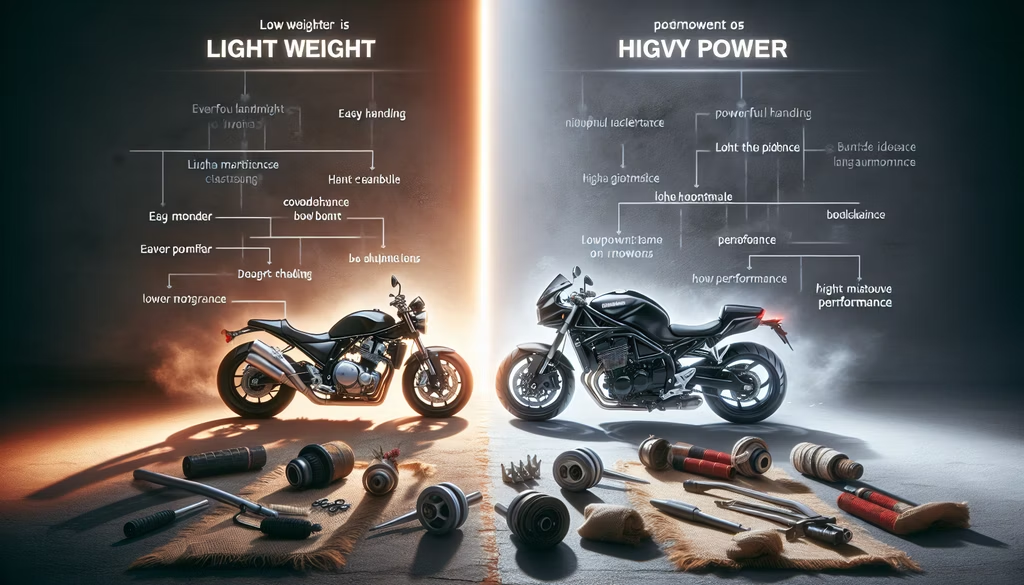
Lightweight vs Heavy Motorcycles: Choosing between lightweight and heavy motorcycles can be a pivotal decision for riders, influencing both their comfort on the road and their overall riding experience. Lightweight motorcycles are celebrated for their agility, making them ideal for urban riding and newcomers who may feel overwhelmed by the heft of larger machines. In contrast, heavy motorcycles often deliver a sense of stability and power, appealing to seasoned riders who crave long-distance comfort and performance on the open highway. Understanding the nuances between these two categories is essential to selecting a bike that aligns with your riding style and needs.
Lightweight vs Heavy Motorcycles: In this ultimate guide, we will delve into the key aspects of lightweight and heavy motorcycles, examining factors like handling, comfort, and performance to help you make an informed choice. Whether you’re drawn to the nimbleness of a lightweight model or the robust capabilities of a heavyweight, our comprehensive comparison will shed light on the benefits and drawbacks of each category. By the end of this guide, you will have the knowledge needed to navigate the motorcycle market with confidence, ensuring that you find the perfect ride that suits your lifestyle and preferences.
Understanding Lightweight and Heavy Motorcycles
Lightweight vs Heavy Motorcycles: Motorcycles can broadly be categorized into two distinct classes: lightweight and heavy motorcycles. Lightweight motorcycles typically weigh between 300 to 500 pounds and are often characterized by their nimble handling and agility. These bikes are ideal for urban environments, where quick cornering and ease of maneuverability through traffic are paramount.
Examples of popular lightweight models include the Honda CB500F and the Yamaha MT-03, both praised for their responsiveness and ability to navigate through tight spaces with finesse. Conversely, heavy motorcycles usually weigh over 500 pounds and are designed for stability and comfort over long distances. Models such as the Harley-Davidson Road King and the BMW K 1600 GT exemplify this class, offering robust performance and a more planted ride but at the cost of agility in city settings.
Understanding these weight distinctions is essential as they significantly influence riding experience and suitability for various conditions. The implications of motorcycle weight extend beyond mere handling; they also affect rider fatigue, performance, and overall usability. Lightweight bikes generally require less physical effort to operate, making them more suitable for prolonged city commutes and shorter trips.
In contrast, heavier motorcycles, while possibly providing a smoother ride with better stability at high speeds, can also lead to increased fatigue during long rides due to their greater mass. The acceleration and braking response also differ significantly between the categories: lightweight motorcycles tend to offer more immediate throttle response, enhancing the experience for riders who prefer dynamic riding styles. In summary, discerning the differences between lightweight and heavy motorcycles not only assists potential buyers in making informed decisions but also enhances riders’ appreciation of how weight influences every aspect of the motorcycling experience.
Handling & Maneuverability: Cornering with Confidence
Lightweight vs Heavy Motorcycles: When it comes to handling and maneuverability, lightweight motorcycles truly shine, especially in urban environments where agility is paramount. Riders of lightweight bikes often experience a nimble feel, allowing for quick lane changes and effortless navigation through congested city traffic. The reduced weight translates to superior cornering capabilities; these motorcycles can lean into corners more confidently, making them an ideal choice for those who enjoy spirited rides around town. The ability to steer with precision and ease enhances the urban riding experience, reducing the risk of rider fatigue and promoting a more enjoyable outing in busy environments.
In contrast, heavier motorcycles offer a different kind of stability that can be comforting on the open road. Their weight provides a planted feel during high-speed rides and can instill confidence while cornering, particularly on curves less frequently traveled in urban settings. However, this stability comes at the cost of agility; navigating tight corners or weaving through traffic can be a more challenging endeavor. While some riders may prefer the robustness of a heavier bike for its smooth and steady handling, it’s essential to assess the type of riding you’ll be doing. Ultimately, the choice between lightweight and heavy motorcycles hinges on personal preferences and the riding conditions one encounters most frequently.
Rider Fatigue & Comfort: A Long Ride Comparison
Lightweight vs Heavy Motorcycles: Rider fatigue is a significant concern for motorcyclists undertaking long rides, and the weight of the motorcycle can have a direct impact on comfort levels. Lightweight motorcycles are often praised for their agility and ease of handling, which significantly reduces the physical effort required from the rider. This reduced effort can minimize fatigue, allowing riders to maintain energy levels over longer distances.
In contrast, heavier motorcycles tend to offer a more planted and stable ride, which can be advantageous in certain conditions such as highways or adverse weather. While the extra weight may lead to some initial sense of fatigue, advanced suspension systems on these bikes can help absorb shocks and bumps, delivering a comfortable journey despite the heftier frame. However, the choice between lightweight and heavy motorcycles ultimately comes down to individual preferences and riding conditions. Riders who frequently navigate city traffic may lean towards lightweight models for their responsive handling and agility, benefiting from less fatigue during stop-and-go situations.
Conversely, those planning to spend extended periods on open roads may favor heavier models for their inherent stability and comfort. Understanding your riding style, coupled with a thorough consideration of the weight factors, will ensure a more enjoyable and less strenuous riding experience on long journeys.
Performance & Power Delivery: Acceleration and Responsiveness
Lightweight vs Heavy Motorcycles: When it comes to performance and power delivery, the differences between lightweight and heavy motorcycles are significant, affecting acceleration and responsiveness. Lightweight motorcycles typically excel in quicker acceleration due to their reduced mass, allowing riders to reach their desired speed more promptly. These bikes respond rapidly to throttle inputs, making them ideal for urban riding where quick maneuvers and bursts of speed are necessary. The agile nature of lightweight bikes also allows for more immediate braking, giving riders confidence during sudden stops—a crucial factor in city environments where traffic can change unexpectedly.
Lightweight vs Heavy Motorcycles: On the other hand, heavy motorcycles offer a distinct power delivery experience characterized by stability and a more controlled acceleration. Their robust engines often provide ample torque, enabling a smooth power curve that feels planted, especially during highway cruising. While they may not accelerate as quickly as lightweight bikes, the steady performance of heavier motorcycles can be incredibly satisfying on long rides, where the comfort and composure outweigh the need for rapid responsiveness.
Ultimately, the choice between lightweight and heavy motorcycles hinges on personal preference and riding style, as each provides a unique blend of performance capabilities that cater to different rider needs.
Fuel Efficiency & Maintenance: The Cost of Ownership
Lightweight vs Heavy Motorcycles: When it comes to fuel efficiency and maintenance costs, the weight of a motorcycle plays a critical role. Generally, lightweight motorcycles tend to offer better fuel efficiency due to their reduced weight, allowing smaller engines to effectively propel them with less effort. These bikes often require less fuel for the same distance traveled when compared to their heavier counterparts.
Additionally, the simplicity of lighter models can contribute to lower maintenance costs, as they tend to have fewer complex systems and components that might require expensive repairs or replacements. Riders looking to minimize their long-term ownership costs often find lightweight motorcycles to be the more economical choice, especially for urban commuting where frequent stops and starts are a common occurrence. On the other hand, heavier motorcycles, while typically delivering a more stable ride, may not be as fuel-efficient. Larger engines demand more fuel, and their added weight can lead to increased consumption, particularly when navigating city traffic. Maintenance on heavier bikes may also be costlier due to the complexity of their design and additional physical components.
Still, they may appeal to those who enjoy longer rides where comfort during extended durations is prioritized, as their weight often translates into a smoother experience on highways. Ultimately, the decision between lightweight and heavy motorcycles will depend largely on the rider’s specific needs and riding style, particularly in terms of fuel efficiency and maintenance considerations.
Versatility & Riding Conditions: Choosing the Right Bike for Your Needs
Lightweight vs Heavy Motorcycles: When it comes to choosing between lightweight and heavy motorcycles, understanding their versatility in different riding conditions is crucial. Lightweight motorcycles excel in urban environments, where their agility allows for quick maneuvers through traffic and easy cornering. This nimbleness not only makes city commuting less stressful but also enhances the riding experience in crowded conditions.
On the other hand, heavy motorcycles shine on the open road, providing stability and a planted feel, which is ideal for highway cruising and long-distance touring. Their weight can absorb bumps and vibrations, making them more comfortable during prolonged rides, even though they might be more challenging to navigate in tight spaces.
Additionally, the choice between bike weight and riding conditions greatly affects rider fatigue and overall comfort. While lighter motorcycles require less physical effort to handle, they may lack the power delivery and smooth performance that heavier models provide. For those who frequently embark on long trips, heavy motorcycles may seem more appealing due to their robust build, allowing for a more restful ride. However, for commute-focused individuals or those who prioritize maneuverability and fuel efficiency, lightweight models often present a better option. Ultimately, assessing your riding style, planned routes, and comfort preferences is essential for making an informed decision about which motorcycle best suits your needs.
Making the Right Choice: Lightweight or Heavy Motorcycle?
Lightweight vs Heavy Motorcycles: In conclusion, understanding the fundamental differences between lightweight and heavy motorcycles is crucial for making an informed decision that aligns with your riding style and preferences. Lightweight motorcycles often offer superior maneuverability and a more agile feel, making them ideal for city commuting and beginner riders. On the other hand, heavy motorcycles typically provide a more stable ride with powerful engines suited for long-distance travel or cruising on highways. Knowing your priorities in comfort, handling, and performance will help you choose the motorcycle that best fits your needs, enhancing your overall riding experience.
Ultimately, whether you lean towards the nimbleness of a lightweight motorcycle or the robust nature of a heavy bike, it’s important to reflect on your riding goals and preferences. Test riding different models can also provide invaluable insights, allowing you to feel the differences firsthand. Remember, the perfect motorcycle is one that complements your unique style and fits seamlessly into your lifestyle, ensuring many enjoyable miles ahead on the open road.
We at Speedzone specialize in offering top-quality servicing for a variety of premium motorcycle brands. Whether you ride a Yamaha, Honda, KTM, Suzuki, Kawasaki, SYM, Aprilia, Piaggio, or Mutt Motorcycle, you can trust us to keep your ride running smoothly.
Book Your Service Today
Ready to give your motorcycle the care it deserves? Or just curious to know more? With our premium motorcycle accessories available catering to every motorbike models. Book your motorcycle servicing with us or drop by our showroom today and experience the difference of expert servicing tailored to your brand and friendly staffs!
